Category Archives: Thrift shop finds

When America was Great!

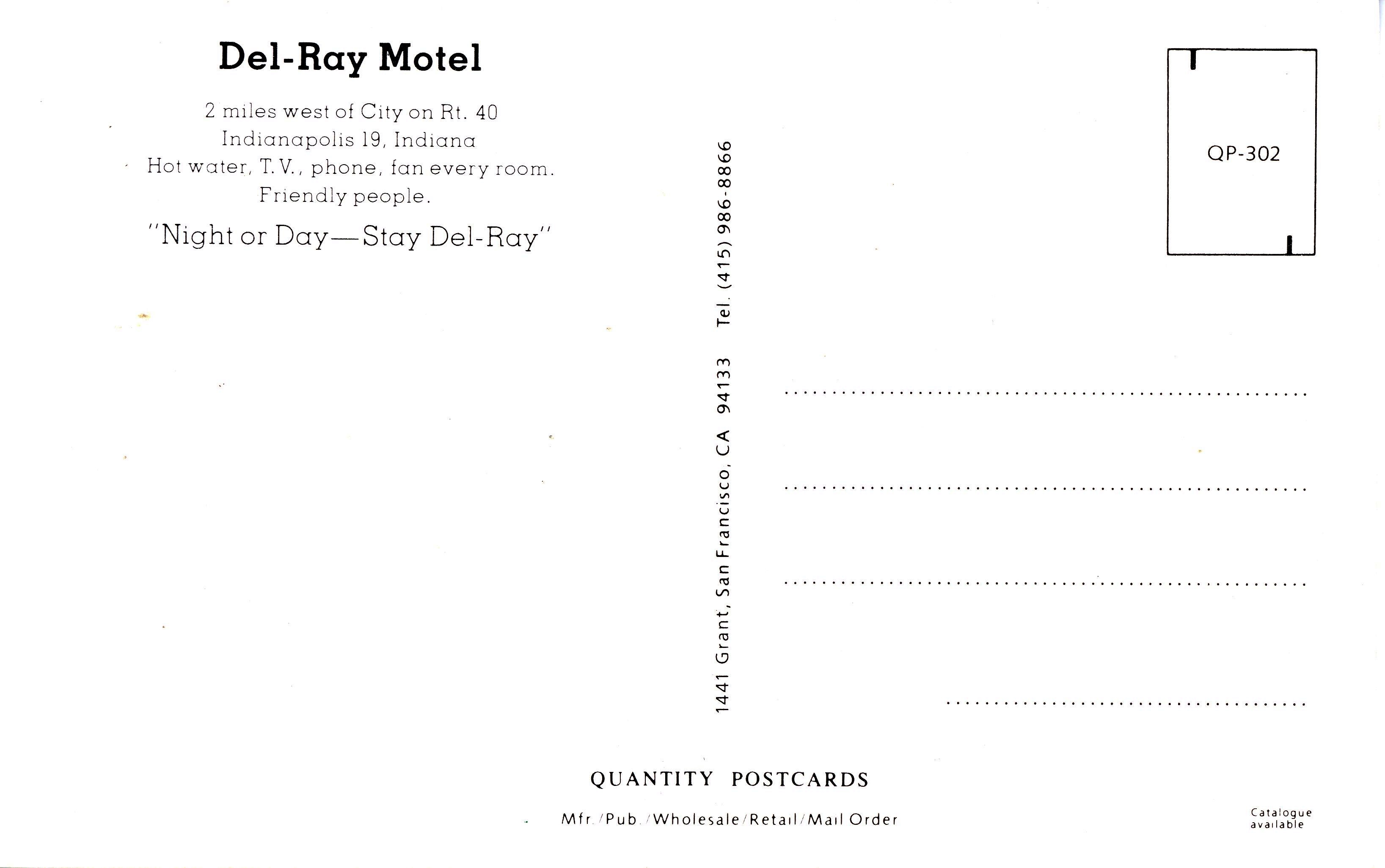
I found this postcard today at my local St Vincent de Paul thrift store. I thought it had to be unique, until I did a net search, when to my surprise I discovered that it is well known in the postcard collector world. In fact, you can get one on eBay for $10 plus shipping. Why anyone would pay more than 25 cents for it beats me, but it was worth that for the amusement. Anyhow, this guy is referred to as Earl, and alternately as Ray, take your pick. Earl-Ray appears to be a pretty standard white Anglo-Saxon (Protestant) American 1960’s era motel manager, complete with crew cut, white shirt, black leather belt, and skinny tie. Elvis could have slept here, but he didn’t, or they would have made note of it on the postcard!

My search turned up several more gems with Earl-Ray in his motel. Observe how each room shown has different coloured floor tiles. No boring grey carpets here!
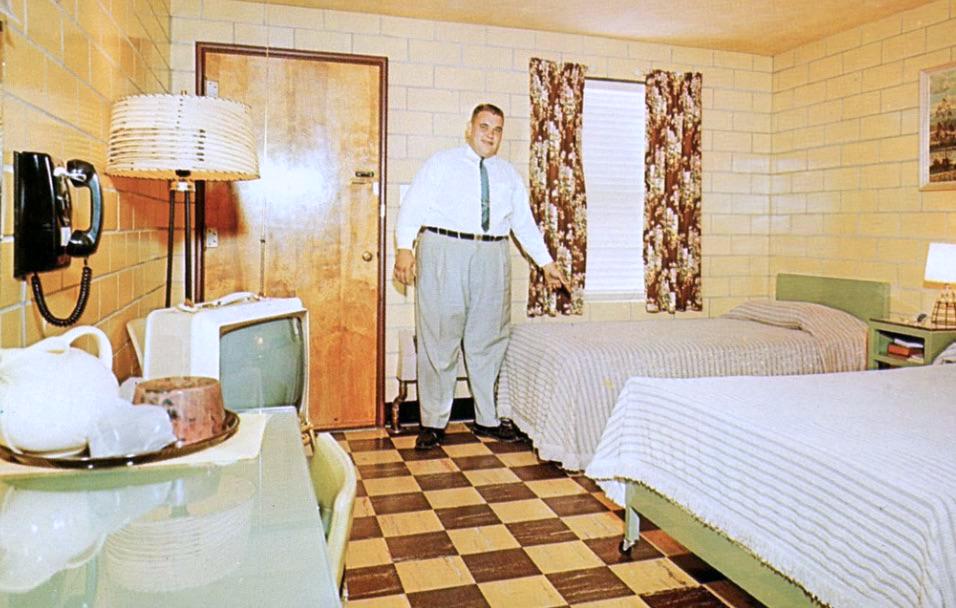
Here’s Earl-Ray pointing out that they have two beds. “This bed is for the kids,” he says.
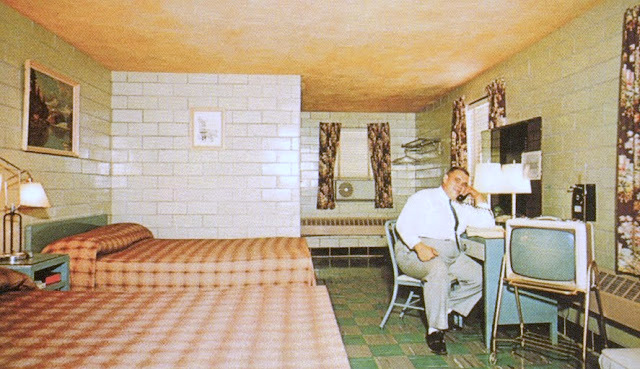
“We have phones and phone books in every room,” says Earl-Ray. “You can call your wife, or whoever you damned well feel like. No one will tell on you out here on the outskirts of Indianapolis.”

Check out the tiled walls. They could wash that room down with a hose in five minutes! My parents had that exact TV in the basement, on that same stand! One knob for on-off and volume, and a big clicking dial to switch the channels, all 3 of them. Note that there is a fan in every room as well, for those nights when it’s 95 degrees and you have to sleep on top of the sheets naked. I had to do that once in California. The sole difference being that we had an AC unit, which took about 4 hours to cool the room down from near oven heat. Ah the good old days! Canadian money was worth 98 cents US! Merchants took it at par. Now that was great. Bring that back! Canadians will start going south again, even if we get fingerprinted and orifice inspected… uh, maybe not yet!

Sadly, the Del-Ray is no more, but I found out that it was redeveloped as the Catalina. They merely switched from one Spanish sounding name to another! And I bet they still have a phone in every room. Or maybe it’s a condo.
1 Comment

Filed under History, Post cards, Thrift shop finds, Uncategorized

A Pocket Puzzle

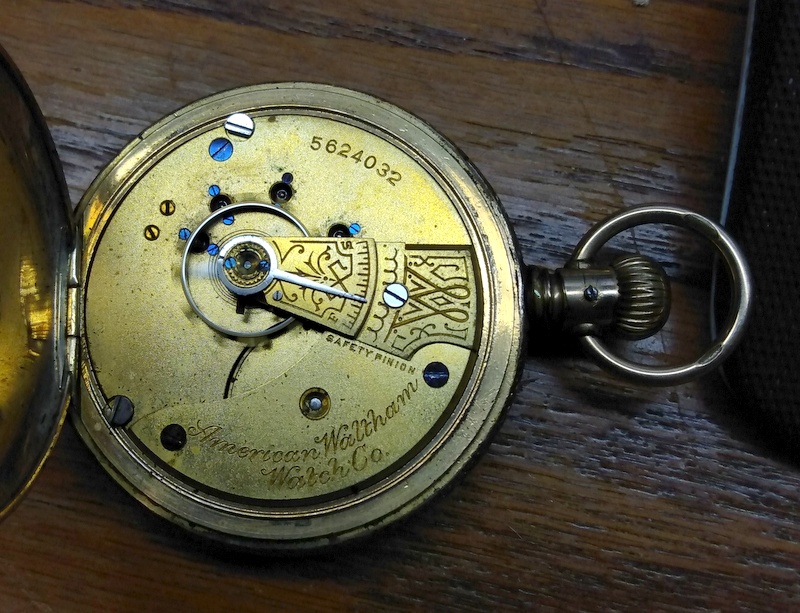
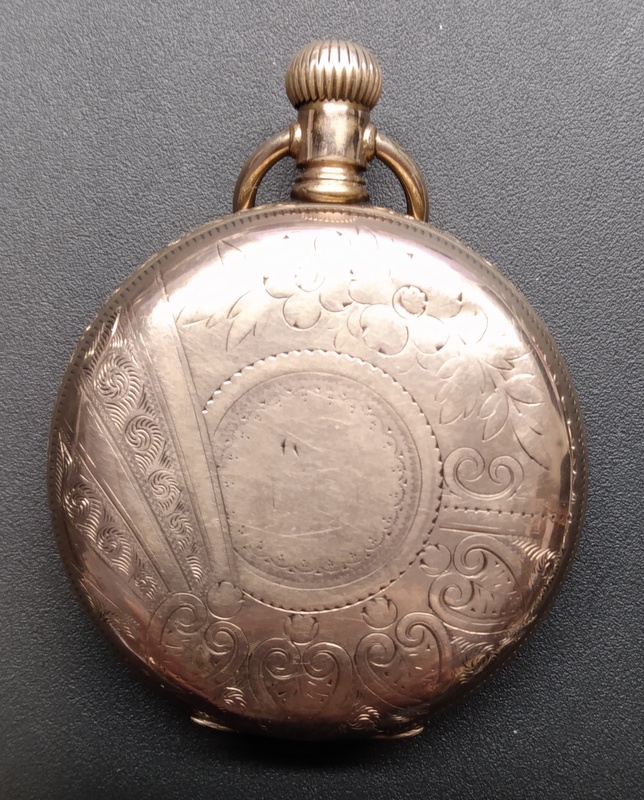
I found this old Waltham pocket watch last week, at a thrift shop of course, and for the price they wanted I had to buy it. It’s a model 1883, Grade 1, 7 jewels, made in 1892. My grandfather left me his old Waltham pocket watch, which still works well almost 45 years after I got it, and it was an antique then. That one is not as old as this one, however.

Knowing how well made these are, I gave it a few winds and it started to tick, so I figured that there was an even chance it would keep running. It ran for a few days on one winding, but there was one problem – I couldn’t pull out the stem to set the hands like I could with my Grandfather’s Waltham. I tried and tried to no avail. I even undid the tiny screw that held the stem in the movement and extracted the stem. No luck. I watched videos about overhauling these things, but nobody showed me how to set the time. Despite having overhauled a few wrist watches, I didn’t feel like ruining this one, so I just kept it around and carried in my pocket. I went into an antique coin dealer’s shop yesterday and a grumpy old coot looked at me like I was some sort of robber.

Hi, I said, I guess you must have seen a lot of pocket watches.

Yes, he said, do you have one?

I had it in my pocket but I was loath to show it to him, sensing that he wasn’t going to give me a fair deal, or even help me out. He was hoping I was one of those suckers who would sell him a valuable item cheap! At least, that was my gut feeling.

Who fixes these things? I asked.

Nobody, he replied. They’re not usually worth fixing.

I left and part of me agreed with him, but I still thought he was a liar, because I know of several watch repair people in town, and he didn’t mention any of them, which confirmed my suspicion that he didn’t want me to repair a watch, but wanted to get his hands on one so he could fix it and sell it.

I returned to the internet and once again asked the AI to identify the watch, which it did. This time however, I noticed that in the information it mentioned the fact that many of these were lever set.

Ok, I thought, lever set can’t be the same as pulling out the stem now can it?

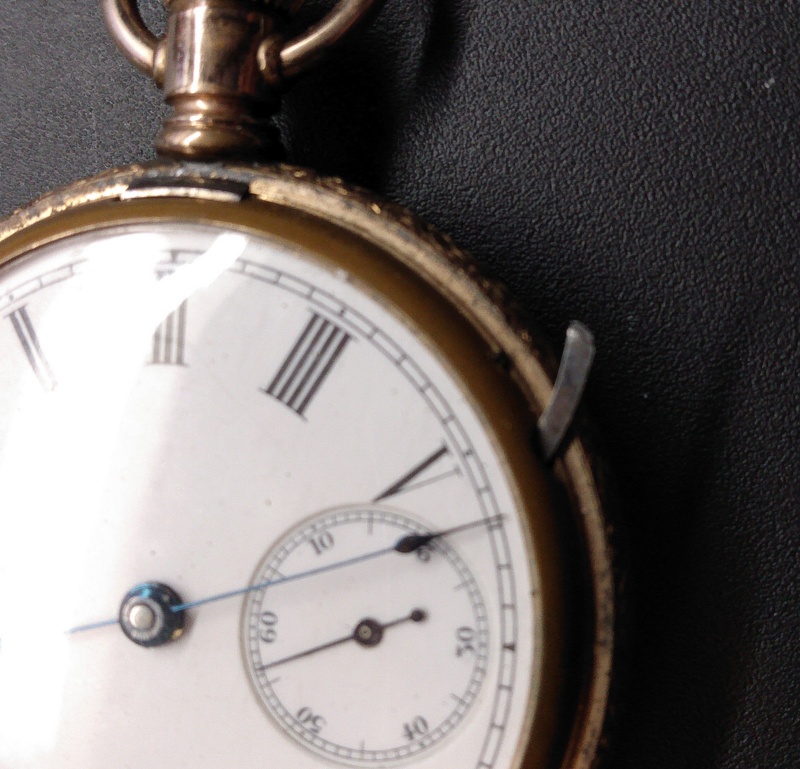
Next, I asked how to set the time with the lever and very quickly got a response that led me to the solution. Further examination of the front rim of the bezel revealed a tiny bit of steel. Well, maybe that’s the lever? I put my fingernail into the crack behind it and pulled it out! Egad, I found the secret! I set the time and the watch is now running, and right on time too.

The setting lever is on the rim of the bezel at 5 o’clock.
Grade 1, but not “Railroad” Grade. Do I care? I don’t take trains!
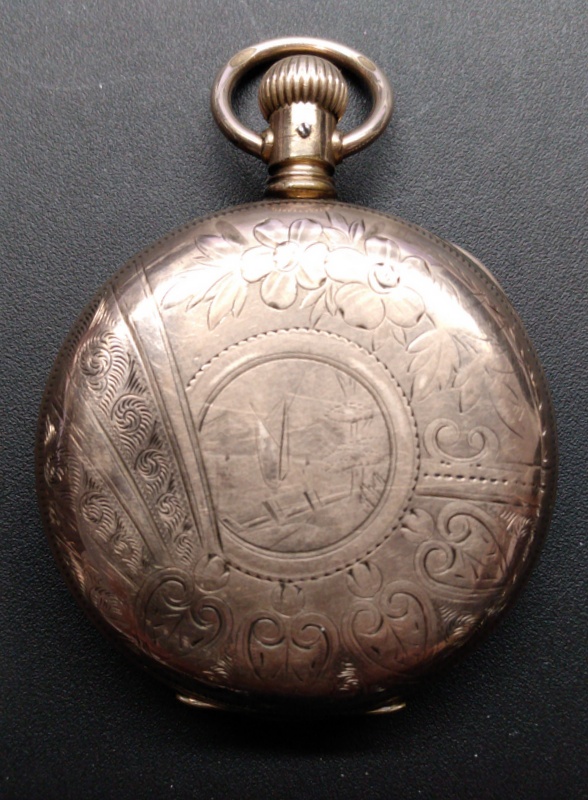
Beautiful engraving, and this is the back side!
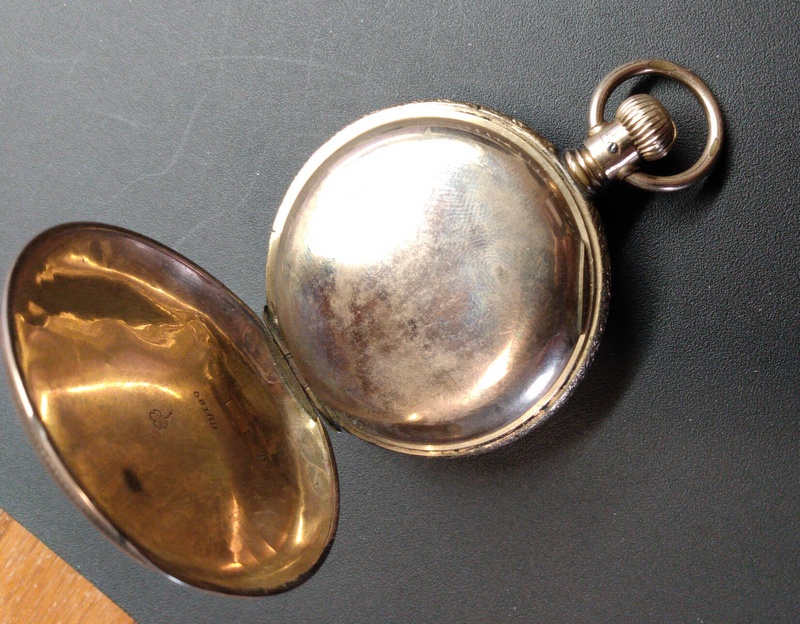
Double back covers!

1 Comment

Filed under Artifical Intelligence, Railroadiana, Thrift shop finds, Uncategorized, Watches

What If Commodore Had Won Out?

1960’s Commodore 650 “Educator” typewriter model

I recently picked up this typewriter, which was sold by Commodore. It was actually made by the Czechoslovak typewriter manufacturer Zbrojovka Brno NP. It was supposedly assembled in Canada, or was that Jamaica? We may never know the answer! History keeps many secrets.

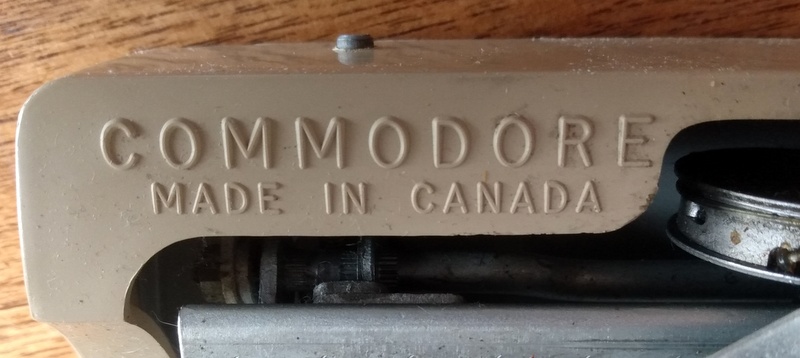
The shell is embossed MADE IN CANADA – but:
The rear frame says Made in Jamaica W.I.

Commodore Business Machines was founded long before the days of the personal computer. Polish immigrant and Holocaust survivor Jack Tramiel moved to the USA and bought a typewriter repair shop in NY city after WWII. Then he began importing typewriters from Czechoslovakia, and assembling them in Toronto, due to restrictive American import laws to do with Commies. Whatever next? Tariffs on Democracies!

Tramiel turned Commodore into a billion dollar computer enterprise, then eventually left the company in a dispute with the guy who had taken control when they had run into financial problems. In the interim, Commodore invented one of the first micro computers, the PET, and then followed with the VIC-20, which sold over one million units long before Apple was a force to be reckoned with. Commodore went on to build a number of successor models like the C-64 that might well have conquered the world and prevented Apple Computer from becoming what it is today. Who knows what really happened? But Commodore ran into trouble, and went bust. Meanwhile Tramiel founded Atari! Where did that go?

A few wrong turns and some bad luck is all that stood between a world full of Commodore computers and the omnipresent iPhone. Commodore even had their own microchip production facility! Apple had to purchase chips from outside sources.

Well, sometimes little things like timing and one bad decision can make the difference between failure and world domination. Sic hodierna historiae lectio finitur.

Leave a comment

Filed under History, Philosophy, Technology, Thrift shop finds, Typewriters, Uncategorized

Camera Nostalgia

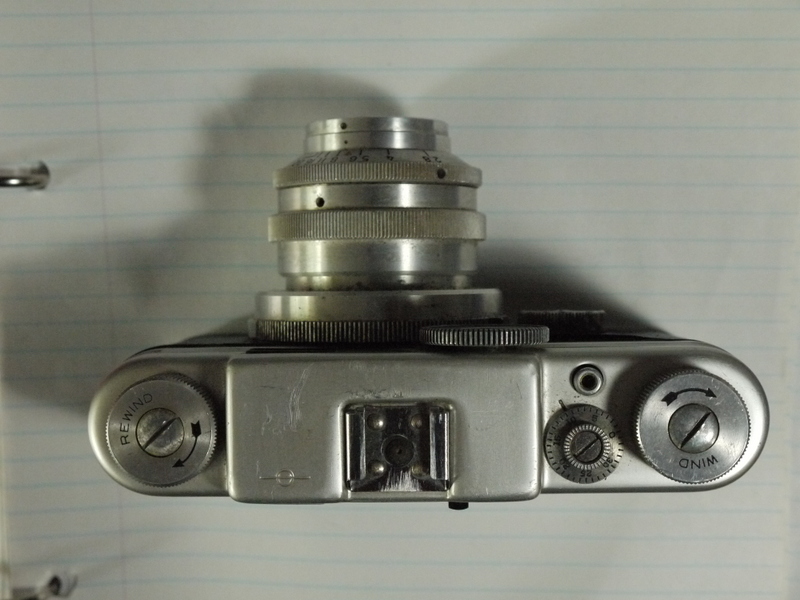
1950’s Argus C4 35mm rangefinder camera

I picked this old camera up at a Sally Ann today for $12; only $2 more than the same thing cost me in 1968. The Argus C-4 was my first 35mm camera, and I bought it from my Dad for $10 when we went on a cross Canada train trip from Montreal to Vancouver. Those were the days when trains ran across Canada for the purpose of taking passengers to destinations. Nowadays this same train runs for the sole purpose of luxury sight-seeing at a ridiculous cost! I was fortunate to have had the experience in the days when it was “affordable”. I’m sure it was expensive, but not like a cruise on the QEII.

These days, nothing is affordable, by most definitions. But a classic camera for $12 was irresistible, especially since it was in working order. I used the Argus for a year or two before my mother bought me a far better camera as a present with her inheritance from my Grandpa, a Minolta SRT101. Like the Argus, I eventually sold that, but not until I had used it for 25 years and worn it out. Years later I acquired another SRT101 as a nostalgic replacement for the original, and it still takes great pictures. Film costs are high however, so I don’t indulge very often.

1968 Canadian family on vacation (me with Argus C-4 camera)

That’s me, here in Victoria BC on holiday with my Mom and sister, about to take a photograph with the Argus C-4. One had to be careful to set the shutter speed and aperture correctly as everything was done manually. I soon learned how to take pictures. It was expensive to use film, and one didn’t take ten shots to ensure that one was good. One shot had to suffice. Everyone on the planet now has a far better camera in their pocket, but most of them have no clue about the underlying function or science or what “exposure” means, etc, so they take dozens of pictures when one would do.

That said, there are many skilled photographers, and lots of them use phones to take great pictures. But we lost something along the way, and hence my nostalgia for the old camera. This camera was a treasure in its day, and it still feels like a treasure now, looking at it and taking empty photos, using the split image rangefinder, winding the shutter and pressing the release button, not only hearing the shutter but feeling it snap open and closed. These tactile sensations have been lost with the miracle of digital tech, which now produces a fake shutter sound when one “snaps” a photo with a phone.

One more observation; this was made in USA. I bought it anyways. Canadians and Americans should be friends! It has been said that this camera was the poor man’s Leica, even though it sold for $90, a good sum of money in the 1950’s by any measure. So at $12 today it’s a heck of a bargain.

An old camera has similarities to old typewriters; they both rely only on mechanical parts, and they seem to appeal to people who appreciate their aesthetic qualities, despite the fact that these old machines are obsolete technically and in general are either impossible to get repaired, or else very expensive to maintain, if a repairman can even be found. The old sleeping cars have gone away too, and only a few remain. How great would it be to go on a trip on a train with a portable typewriter and an old rangefinder camera loaded with film. One could write a book, and fill it with photos!

Me with the Argus in my hand, Mom and Sis, in front of the train
top view of the Argus C-4

Leave a comment

Filed under Cameras, History, Photography, Railroadiana, Technology, Thrift shop finds, Travel, Typewriters, Uncategorized

Sketches from Canadian History

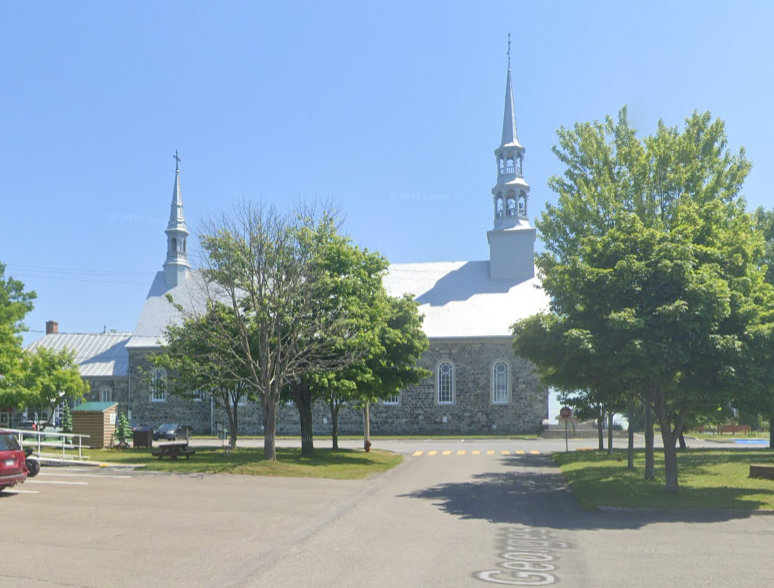
Eglise St George, Cacouna, Quebec (courtesy Google)

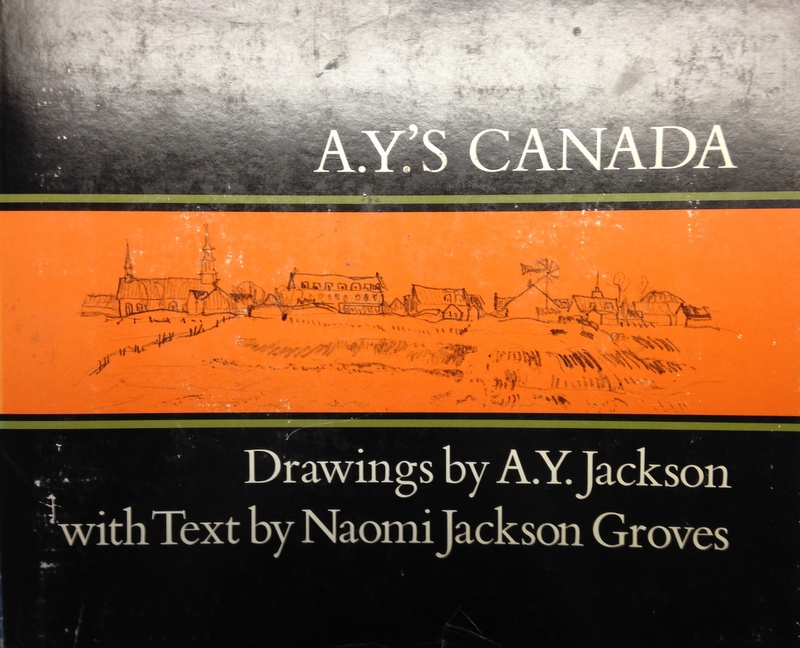
I picked up an interesting art book yesterday, called AY’S CANADA. Note the similarity between the photo above and the pencil sketched church on the left side of the book cover below?

AY Jackson, one of the renowned Group of Seven artists who invented Canadian modern art about a century ago, liked to roam around rural Quebec with his paints and sketchbooks. In 1921 he drew a pencil sketch that included the same church shown above, in the village of Cacouna, Quebec – on the lower south shore of the St. Lawrence River. When I grabbed the book off the shelf at my local thrift shop I had no idea that AY had ever been to Cacouna. Nor did I have any clue as to where the cover illustration was sketched.

Not until I reached pages 42 and 43 did I discover the Cacouna sketch, and realized that it was the sketch on the book cover. The reason this is so fascinating to me is that my father’s father was born there, and his middle name was Cacouna! If my great grandfather and grandmother had some reason to name their son after the village where he was born, no one in the family knows. It certainly has lasted however, and gives him some distinction in the family history, even though he died around 1925, leaving his wife and six kids in poverty. Such was life a century ago.

Cacouna Village with melting snow (1921), A Y Jackson

I’ve never even been to Cacouna, but one of my boys went there once, just to check out where his great grandfather was born. I have been to Buttle Lake here on Vancouver Island however, numerous times in fact. Last week we were camping there again and I managed to do one measly watercolour despite having nothing else to do but eat, sleep, swim, and go for walks. I am not quite so dedicated to my art as AY was, but here is my sketch.

1 Comment

Filed under Books, History, Sketching, Thrift shop finds, Travel, Uncategorized

A Post Card, a Song & a Typewriter

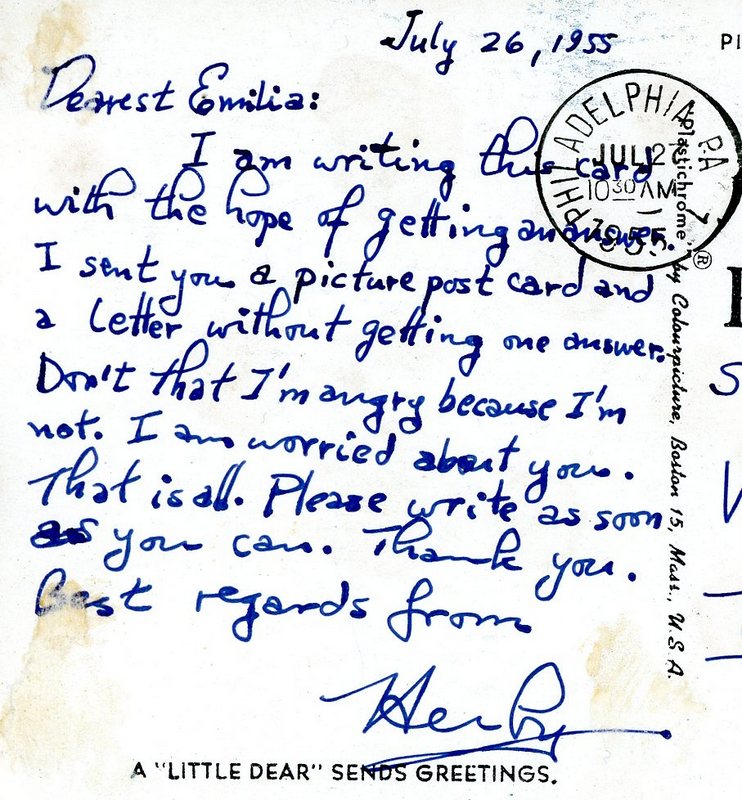
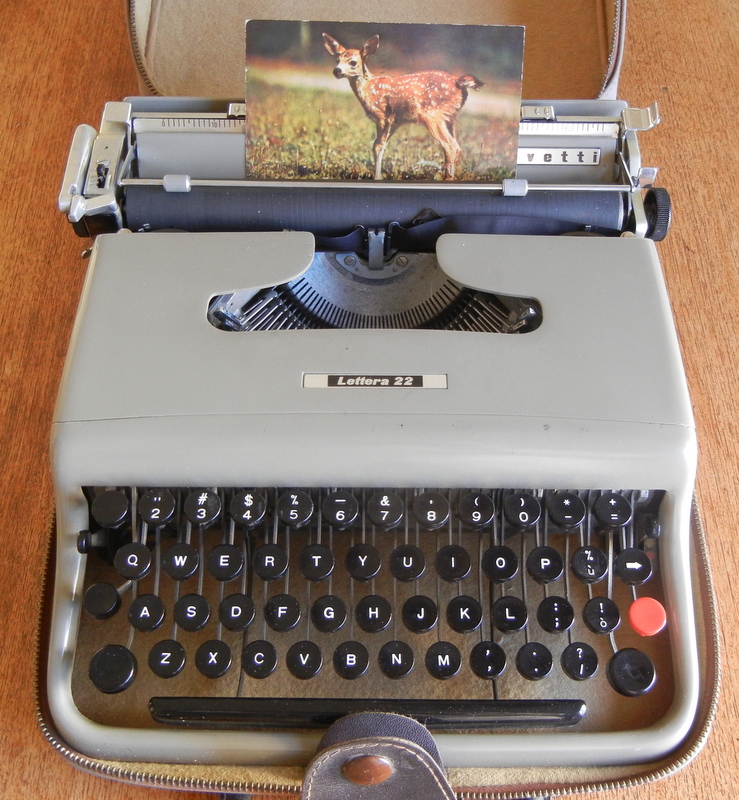
Several weeks ago I found this old postcard at a thrift store. The message was so fascinating that I wrote a song about it, called “Post Cards”, changing the name of Herby to Paul for the sake of the rhyme. A week or two later I returned to the store to find an Olivetti Lettera 22. Later when I got it home I noticed that on the outside of the case, written in faded ballpoint, was the name of the owner; Emilia of the post card! The typewriter is interesting, with Italian accented vowels that do not show on the key tops. Keys 2, 3 & 4 shifted are a, i & e with back-sloped accent marks. The other two vowels u & o are clearly marked on their respective keys.

Emilia’s typewriter, with the picture postcard from Herby

Last of all here is a clip of the song.

Leave a comment

Filed under songwriting, Thrift shop finds, Uncategorized

Typewriter Rock n Roll

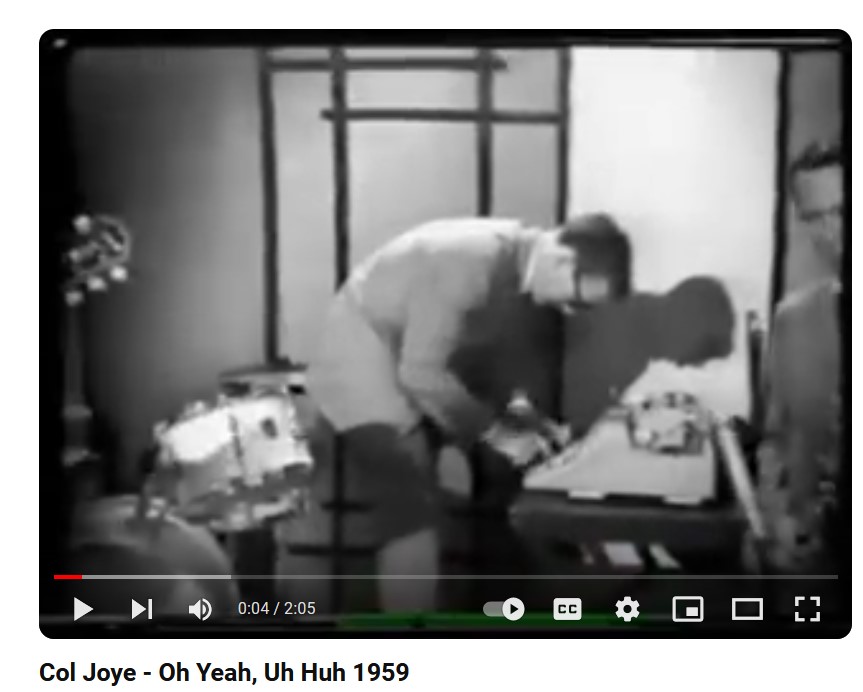
A recent thrift shop find was a very unusual 60 year old Japanese guitar. I bought it because I liked the funky look of it. A search by photo turned up some amazing facts that led me to this clip above of an Australian band from 1959 that featured rhythm by typewriter. That band was led by it’s star singer, Col Joye. He had a line of guitars made in Japan with his name on the label. This is one of them.

My Col Joye guitar after repairs.

It resembles a French gypsy style guitar in construction, having an arched top with ladder bracing as well as a fret marker at the 10th fret. It sounds like a gypsy jazz guitar, very bright and loud. The rosette is a work of art, with delicate inlaid mother of pearl, seriously fancy for a presumably low cost item. The neck has no truss rod, but it does have an inlaid wood bar that acts as reinforcing. The neck did not warp or bow, but slowly bent from the heel over 60 years, as even the best of guitars often do.

I removed and reset the neck, made a new bridge and did a lot of fret levelling to make it playable. One site stated that Tommy Emmanuel owned a Col Joye as his first guitar. How this came to Canada beats me, as they were not sold here.

Neck removal by steam injection. Lucky for me they used hide glue. I used hide glue to reassemble too!
Rosette and pick guard detail

I found numerous videos of Col Joye and his band, but the one that amazed me was the performance of Oh Yeah, Uh Huh, which had a guy typing rhythm. The song is forgettable, to be kind, but the video should be priceless to typewriter aficionados. As for the guitar, it is the rarest guitar I have ever owned, and likely one of the few left in the world (just guessing).

Page from an archived Australian website that once had the same guitar for sale.

Tommy Emmanuel, if you are out there, I will gladly trade you this guitar for one you own!

Leave a comment

Filed under Guitars, History, Thrift shop finds, Typewriters

The People’s Watch

A recent addition to my collection of assorted junk-store treasure was this old wristwatch, which I got for a few bucks in a big haul of stuff, including a nice Lettera 31 typewriter (more about that later). Thus I don’t know what the watch cost me, but the tag was $10, so it was considerably less than that. The tag was on the back, so I had no idea what it covered up until later when I got home and peeled it off. Suddenly I realized the significance of the label. WOLFSBURG. The place where Volkswagens were made. I have owned a few VW’s, starting with a 1970 type 2 that I bought in Amsterdam for $1000 and took a long trip around Europe in. I drove various Beetles from time to time, but never did own one of my own. Today they cost a ridiculous amount. My 1984 VW Westfalia camper is 40 years old and still going strong. We will be camping in it in a couple of weeks. Despite the dead simplicity of the VW van, the utter lack of luxury, the noise, the poor fuel economy and the low power, I enjoy travelling in this vehicle more than any other. Visibility is superb, and it does everything I need, without a fuss. I think it is possibly the greatest vehicle ever made. It is also the only car model I know of in which the owners always wave at each other.

My extensive research (you know what) revealed that Wolfsburg watches were presented to Canadian VW owners whose vehicles hit 100,000 kms. I’m sure my Westy qualifies for this watch, although the real mileage on the van is unknown. After 40 years however, I think it’s safe to assume it has travelled well beyond 100k, probably 2 or 3 times. Needless to say, no car companies give prizes to customers anymore. You’re lucky if they even know how to fix your car!

The movement is a Jeambrun 26D, made in France, from the 60’s, older than my Westy! I cleaned up the case and the crystal with some old Brasso, the kind they no longer sell, but which works like a hot damn on metal and plastic. So far the watch is keeping good time. I think I will wear it when we go for our camping trip. Of course I will! It’s the people’s watch. The Volkswatch!

Leave a comment

Filed under Thrift shop finds, Uncategorized, VW Vans, Watches

Restoring the Monarchy (Royal 1)

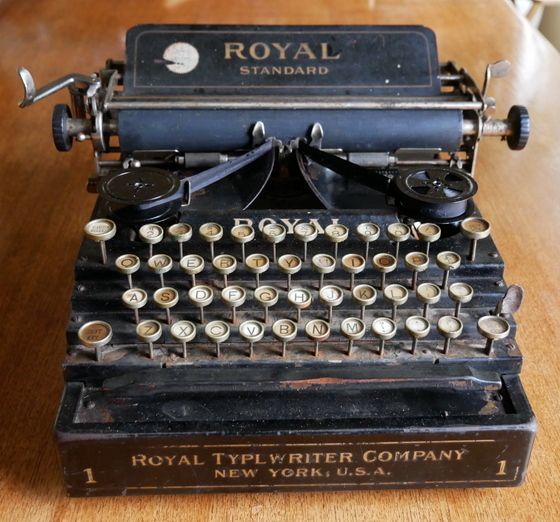
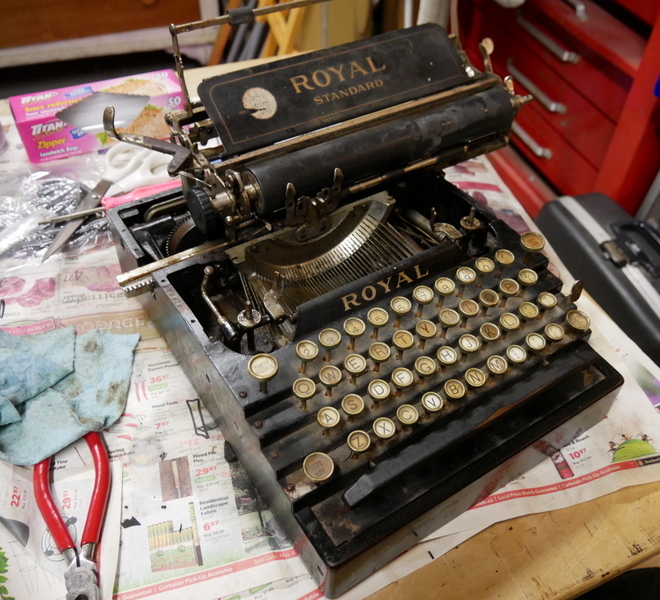
1912 Royal model 1

I found this ancient Royal 1 that was in terrible shape cosmetically, but upon inspection I wagered that it was fixable, so I bought it. Liberal applications of Deep Creep penetrating oil helped free up many sticking parts, along with some elbow grease and a wire wheel on my Dremel to remove the surface rust. There were two broken parts; the advance lever linkage and the “ear” of the yoke that limits the travel of same. I made a new link from a piece of aluminum, which fixed that issue. The ear proved to be unnecessary. I took off the platen and all the cover plates and did what I could to adjust the inner gears and so on. The spring motor needed a string and winding, which had to be done by winding the thing up and fastening the cord to it. The engineers designed a spring winding mechanism, but I was unable to free up the rusted set screw that locked the winding shaft. Other than that, the thing still works!

I glued the rubber sleeve back onto the wooden platen shaft, and saw that the shaft had been stamped with the date Aug 19, 2012. By the serial number this was the 77,879th of these made. They started production in 1906 and it increased yearly by large leaps. The machine weighs exactly 10kg, and the frame is made of heavy plate steel that is almost indestructible. I put a new spring on the bell, which rings brightly now. All in all this is a very impressive unit, and a testament to the skill of the designers and builders.

I kept notes about the process in a notebook I had, in which I had previously made notes about an interesting book called Fermat’s Enigma, about the history of mathematics. Hence some ruminations on that, typed on the “refurbished” typewriter.

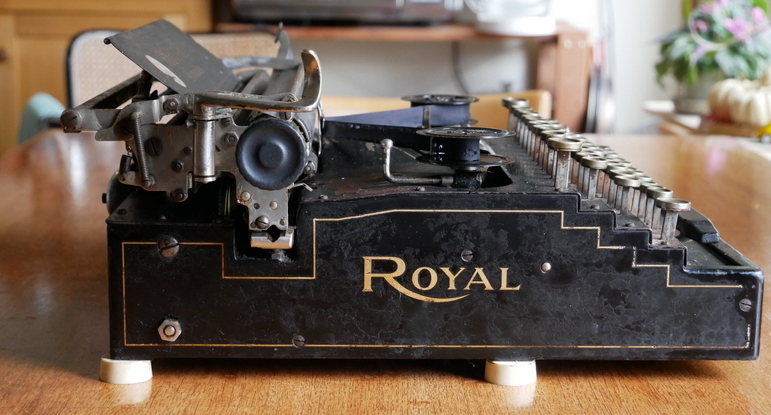
side view
new feet made from wine bungs size 5.5
under renovation
ribbon reversing gearshift lever
the motor housing teeth drive the ribbon winding transmission – like a huge wristwatch mainspring

Leave a comment

Filed under History, Repairs, Technology, Thrift shop finds, Typewriters, Uncategorized

Italian Style

Olivetti mechanics in an Underwood body: Italian engineering, American design, made in Spain

Bought this Underwood 450 the other day. It was all stained and dirty but Brasso and Meguires plastic cleaner polished it up nicely. I naturally assumed that since it was an Olivetti inside, it had to be Italian design, but it was not. It is an American design! However, Underwood was owned by Olivetti and so the design had to be Olivetti approved, hence I call it Italian Style! Concurrently, I also found a Borsolino cap at last, as well as an Italian merino wool cardigan. I wanted a Borsolino hat for years but never found one until today. Perhaps if I sit down at the “Italian” typewriter in my Italian Borsolino and Italian Merino (sweater), I will write about how I once saw a dead dog in Venice, and how my life was forever changed.

Me and my Italian clothes
Borsalino- accept no substitute!

Leave a comment

Filed under Clothing, Hats, Thrift shop finds, Typewriters, Uncategorized