The Brother That Wasn’t

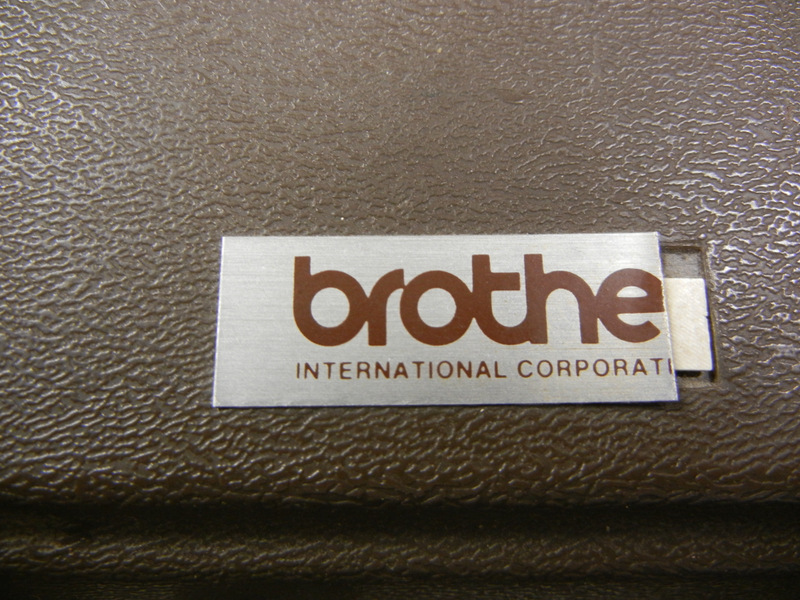
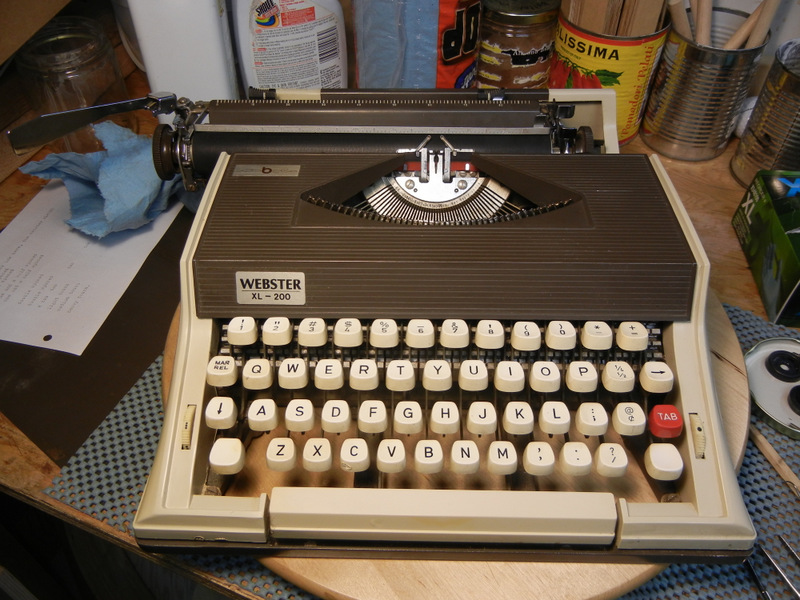
All typewriter hunters well recognize it; the little brown plastic case with a plastic handle. Inside is a JP-1 Brother, with or without some features like a tab key or a paper rest. This one was sitting on the floor in the back corner of the Salarmi. The cover even had the familiar Brother logo. I lifted the cover. Webster XL-200. OK, that was a Brother brand, but wait a second – it has tilt-shift! Never saw a Brother with that feature. I bought it and took it home to have a better look.

08-DSCN2848

Clearly it was not a JP-1, or a JP anything. For one thing it wasn’t even Japanese. It was made in Portugal. That gave the game away of course, since I have a very similar machine already, a Sears Chevron. Sharing the same mechanics this one has a different casing and cover, however.

WEBSTER XL-200

WEBSTER XL-200

It needed a lot of cleaning up and minor adjustments, so I removed the bottom cover. As much as I removed piles of dust and rubber shavings the escapement still hung up around the centre position. To access the escapement the platen had to be removed. Thus I discovered how well made this machine is, from the point of view of servicing. I removed the platen wheels with two set screws, then a third screw on a collar on the right side, pulled out the axle and simply lifted the platen out. Removing the pinch rollers and tray I could see one problem right away, more crud on the pair of dual tooth dogs that engage the linear gear bar. This pair has an adjustment screw, and there was the main problem – the lower dog was hanging up on the linear gear train. A simple twist of the adjusting screw and all was well again. The tab key train also needed a slight tweaking by way of bending the end that pushes the carriage release mechanism. The rear panel of the case has a neat feature – the centre section snaps on and off providing access to some inner parts for quick adjustments.

rear access panel snaps on and off

rear access panel snaps on and off

After working on this I have to admire it’s construction. The frame is a very solid and light aluminum casting. It has tilt shifting – far easier than carriage shifting. Access to mechanism is excellent, and all parts are solidly made and fitted. Even the rubber feet are soft and pliable like new. The platen is not as soft as a typical Japanese made Brother however, although by no means rock hard. Nevertheless I applied several coatings of silicone lube to it, which rapidly disappeared – I assume it was absorbed into the rubber.

a look at the segment and key levers

a look at the segment and key levers

Although this was made in Portugal I noted some plastic parts with German labellings. Other information about this model deems it a Messa, which I understand had some connection to Germany. Was this a German design? It is puzzling that Brother, a tremendously successful manufacturer of ultra portables, would put their brand on a foreign product, and one they didn’t even design! Topsy turvy.

rechts side dummy!

rechts side dummy!

2 Comments

Filed under Thrift shop finds, Typewriters

Mystery Guitar

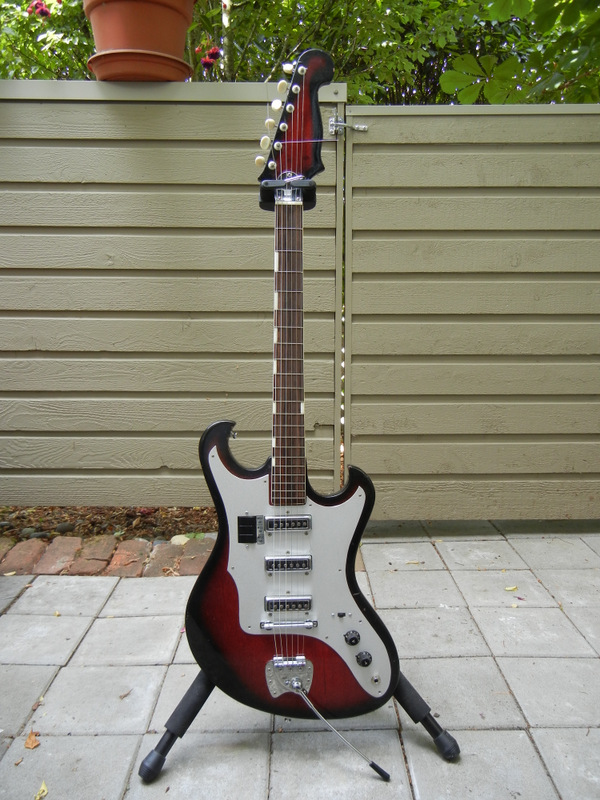
2-DSCN2861Last weekend I found this old Japanese electric guitar in the back corner of a thrift shop. It had no strings, one tuner gear and post was missing, and it looked rough – but I took a chance and bought it. I figured the cost would provide me the enjoyment/education of either fixing it or discovering it was irreparable. At the worst it was worth it just for the possibility of the spare parts!

mystery guitar

mystery guitar

When I got it home I plugged it in. Static. I proceeded to disassemble it. The entire face plate comes off with all the electrics mounted to it. The jack was loose and the cable flopped around in the throat, causing intermittent signal. After replacing the cable plug with a new one, and cleaning up the switches it responded with a signal. All three pickups tested for continuity, so that seemed in order. Down to the guitar shop for strings next. With strings on the action was way too high, even with the bridge bottomed out. Neck off, the retaining screws had lost their bite in the wood. Holes filled and re-drilled, a 0.76mm plastic shim was inserted to tilt the neck just slightly backwards, dropping the string height. Action OK, next I discovered the nut was all wrong, with string spacing uneven and again too high. Fortunately the nut had so much extra meat on it I was able to file the grooves out and re-cut it.

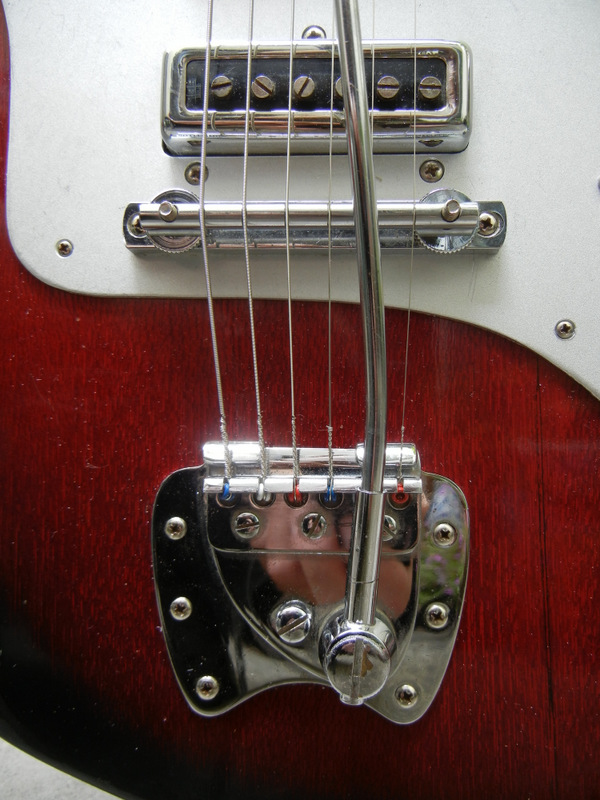
coil spring whammy

coil spring whammy

The tremolo needed work, of course. Under the plate is a coil spring, like a car suspension. Things were bent and rubbing but with a bit of filing and bending it too came together. The wheels to adjust the bridge height were gone, but I salvaged a pair from my parts box. Luckily they had the same thread. The bridge had no compensating angle however, but the face plate holes were oblong, which allowed me to move the treble end a bit closer to shorten the high strings.

3-DSCN2862

individual rocker switches for each pickup

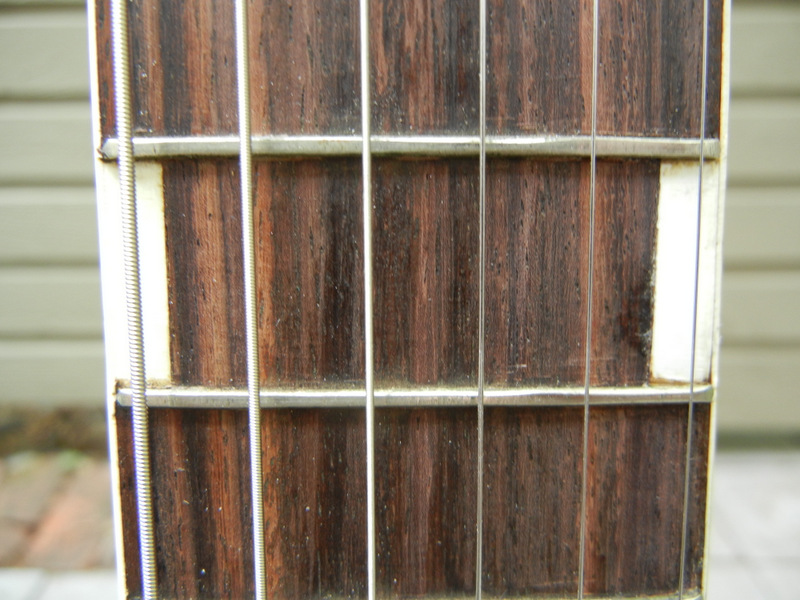
More work included scraping crud from the fingerboard with a razor blade, gluing various loose plastic neck trim bits, and scrubbing up the aluminum face plate. I fixed the missing tuner post with a salvaged post and gear, which was not perfect but seemed to work well enough.

rosewood bound fingerboard, with tiny narrow frets

rosewood bound fingerboard, with tiny narrow frets

After one more check-over all was ready for the big test. Amplified it sounds surprisingly good! Despite the fact that the pickups are single coils they are very quiet. With three pickups and one master tone control the sound possibilities have a great deal of range, from high and clear to deep and crunchy. The scale length is 680mm (26.77″), which means the neck is very long indeed and while it’s not hard to play chords, it is quite a stretch out to first position! The neck is a honker however, almost like a bass. The whammy bar is effective – it gives just a little trem and returns back to tune.

For more on this, plus a cool video, check out the four pickup version here: Adventures in Baritone – 1965 Kingston FVN4 Japanese Electric Guitar | Drowning in Guitars!

Leave a comment

Filed under Guitars, Thrift shop finds

Splendid Scraps

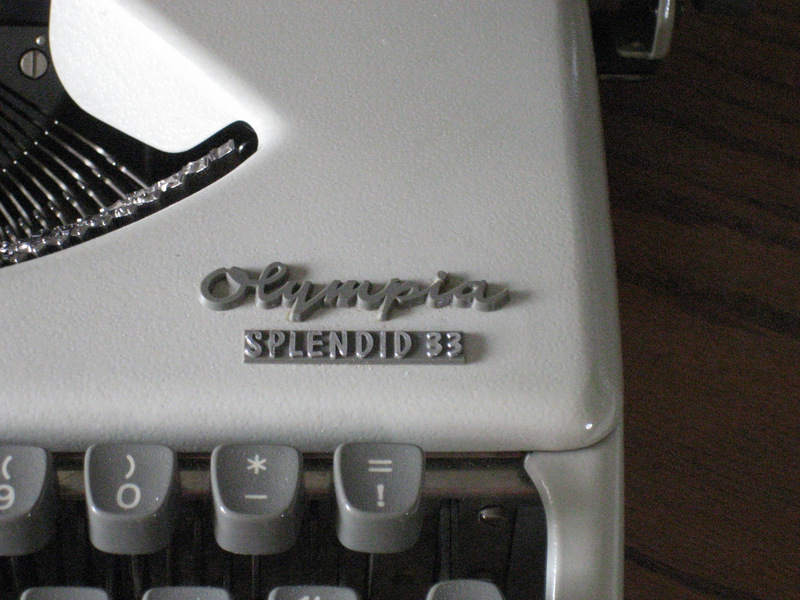
1-IMG_0592Recent treks to the thrift shop turned up a lovely Olympia Splendid 33. Aside from vacuuming out all the dust and bits of rubber erasings it required a minor repair: the carriage was off the lifting arms. This was easily fixed with the aid of a small wrench and a jeweller’s screwdriver. I also treated the platen with a very light coating of silicone lubricant, rubbed on with a rag. Silicone seems to do wonders for platens, but should be used sparingly. This platen now has a perfect grip. It took a few days for the treatment to dry properly however, as at first the rubber was a bit too soft and impressionable – like a lot of people..

olympia splendid 33

olympia splendid 33

I’ve left this machine on my desktop, the real one that is, where from time to time I like to doodle away with random musings – here’s a couple.

1-Photograph (56)

3 Comments

Filed under Photography, Poetry, Thrift shop finds, Typewriters

Canoeing for Sissies

have canoe, will travel

have canoe, will travel

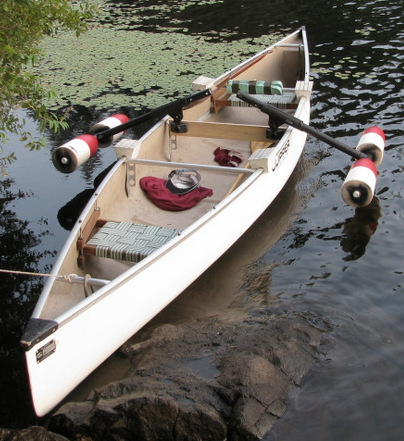
It’s summer and the canoe has been placed on the roof of the car for convenience. My canoe (we all have one here in Canada) is narrow, fast and very wobbly. It was made for solo paddling, but I converted it to a two seater. At 30″ wide it’s about 6″ narrower than most canoes and it can feel quite unstable. So I did some research on homemade outriggers and the other day I ran all over town and got what I needed. It wasn’t that difficult and it has made a major improvement in the boat. We tested it last night and found the canoe to be much more stable, but with no discernible drag. The pontoons are set just above the waterline, and they dip in on one side then the other as the boat rocks, enough to create stability without ill effect.

canoe with outriggers

canoe with outriggers

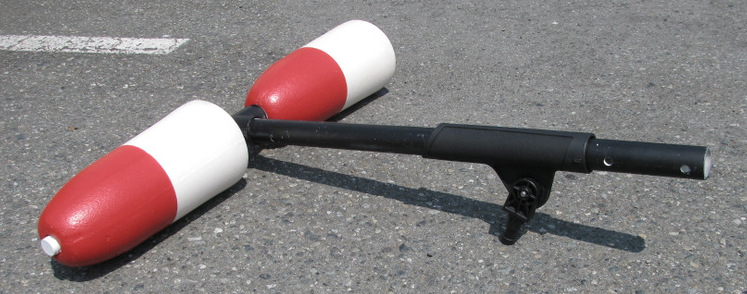
detachable outrigger

detachable outrigger

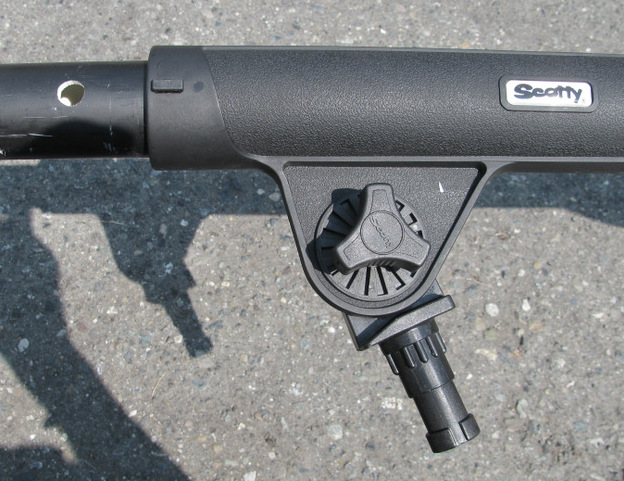
adjustable rod holder

adjustable rod holder

I made a manual in case anyone here wants to make their own. Have fun and let me know how it works for you. Please note: this has not been certified, rigorously tested or engineered for safety. Use at your own risk, and be careful!

NATHANGUITARS DIY CANOE OUTRIGGER

3 Comments

Filed under Canoes

The Golden Barrel

The Colonel examines the barrel

The Colonel examines the barrel

The day was unbearably hot in the prison camp where Lt. Smedley Hoskin-Smythe was interned. Men all around had collapsed in the heat, from both exhaustion and dehydration. And then there was the curse of scurvy to boot. Scarcely a man hadn’t lost his teeth, nor escaped the swollen joints, the severe pain of bruises and swellings all over their bodies. Smedley could hardly stand to look at them, he felt so disgusted, but since he was the only one with some skill as a dentist, he was forced to have to remove rotting loose teeth almost daily.

There was one good side to all this, however, which was that he had amassed a small fortune in gold from the fillings. No one thought to ask him for their teeth back after an extraction. They were much too weak to even care. But Smedley cared. He had hidden the gold under the floor of his cabin, where for two years it had been slowly accumulating until now it was worth more than enough to buy his way out of this hell-hole. The day had come, and Smedley carefully packed the gold into his only sock that hadn’t a large hole in it, and approached the guard with whom he had established some sort of thief’s rapport. When he was sure no one was watching, Smedley handed over the sock. The guard gave him a nod and disappeared.

The following morning when role call was done, it was discovered that Smedley was missing. Questions were asked and every shack was searched, but it was too late. Smedley was in the back of a truck heading for the border. But he had not entirely forgotten his mates, for the following day the prisoners were amazed when several large wooden barrels were delivered addressed to Colonel Hedley Fish-Brown, ranking officer of the prisoners.

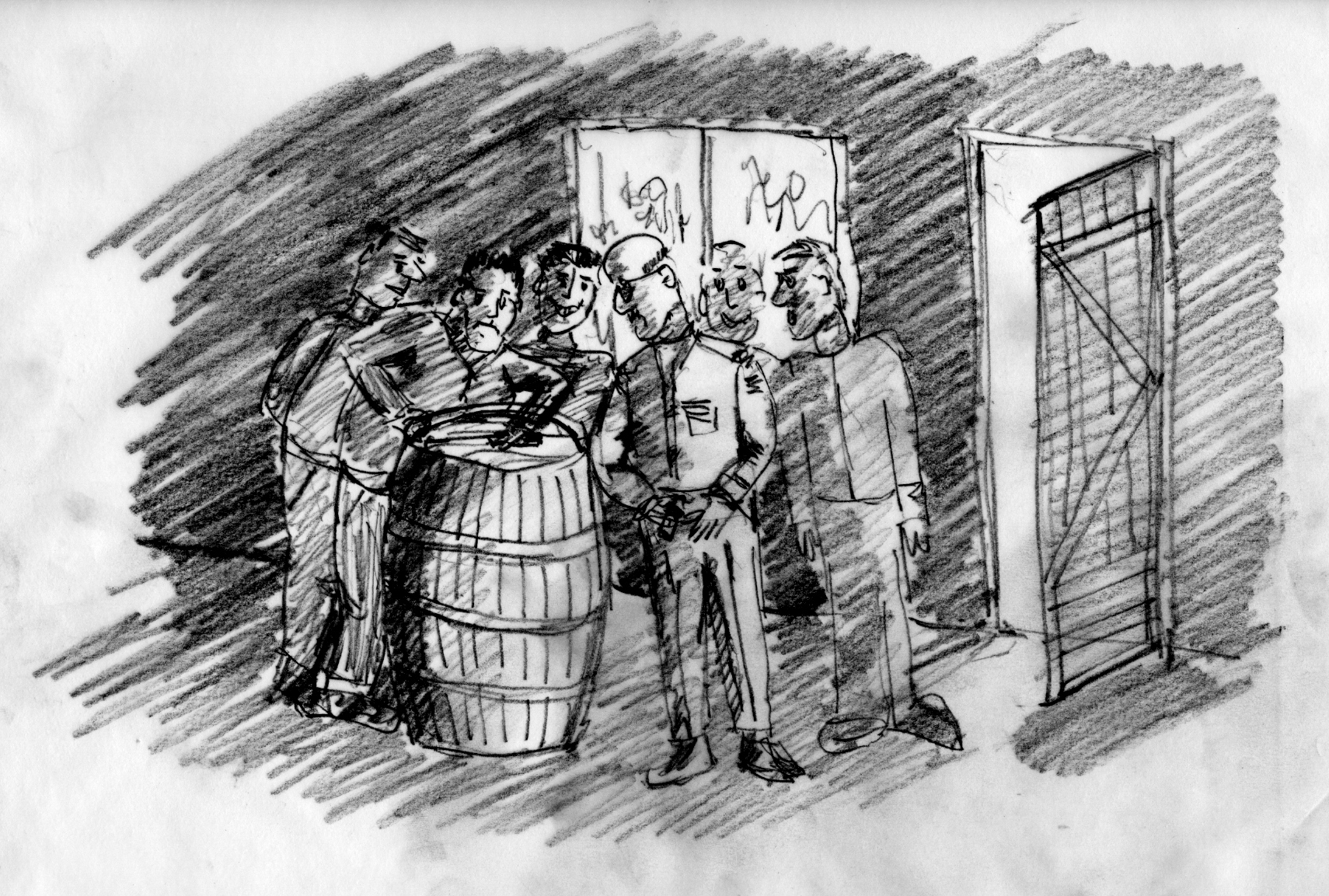
The Colonel inspected the barrels in a complete quandary as to the contents. Why would their captors do this? Or if not them, then from whom did it come? And what was inside in the first place? All these questions whirled through the minds of the men who set about to open the barrels. Hedley Fish-Brown lorded over the process, being sure to remain a little distance away just in case there was a trick. He feared the barrels might explode, or perhaps release some deadly gas when opened. He backed to the door, and prepared to run should things go wrong, as the men were about to release the first barrel’s lid.

Off it came with a great sucking sound, and the air was filled with a smell that was at once sharp and yet mouth watering. Hedley knew that smell – he rushed over and pushed the men aside to have a good look. One man already had his mouth full of it as Hedley looked at the open barrel and then at the man. His eyes grew large and he felt his mouth begin to drool with saliva so that he could hardly stop from thrusting his hand in and grabbing some for himself. But he controlled this urge and instead ordered the lid be replaced. Then he turned to the assembled crowd outside and cleared his throat.

“Lads,” he proclaimed loudly, “It seems we’ve got here what I can only describe as a filthy German joke. They’ve given us five hundred pounds of sauerkraut.”

“But beg pardon Colonel,” said a voice from the crowd. “Don’t sauerkraut have vitamin C in it Sir?”

“It’s the cure for scurvy,” said another.

“I’ll eat it,” piped up another man.

“Suit yourselves then,” said Fish-Brown and with a wave of his hand he commanded the assembled crowd to part as he left and returned to his hut.

That evening after finishing dinner, the officers sat around discussing the events of the day, and specifically the barrels of sauerkraut.

“I don’t think it was a joke,” said Major Dashwood-Humberthorpe. “My Grandfather used to say that sauerkraut was the best thing to prevent scurvy, and he should have known, he was in the Royal Navy for forty years.”

“Funny how this arrived the day after old Smedley vanished,” interjected Lt. Washburn-Downs. “Seems to me I heard him say the same thing about his Granddad, once.”

“Rubbish,” retorted the colonel, rubbing his face. “This bloody tooth is killing me, I say, do any of you chaps know anything about dentistry?”

“Let’s have a look then,” said Captain Peabody-Parson. “If Smedley could do it I expect it can’t be all that difficult.”

The colonel opened his mouth and Peabody- Parson peered in. There was a large gold filling, which the colonel pointed to. “That one,” he said.

Suddenly it all became very clear to Captain Peabody-Parson. He went to Smedley’s bunk and opened the trunk that Smedley had used. There were the dentistry tools. The following day Peabody-Parson extracted the gold tooth from Colonel Fish-Brown’s jaw. Placing it in his best intact sock he hid it under the floor of his hut. Oddly, as soon as a certain guard heard that Peabody-Parson was the new dentist, the Captain was called aside and an agreement made.

“One question,” said Peabody-Parson. “Was it Smedley who sent that sauerkraut?”

The guard just smiled and said, “We Germans rarely get scurvy.”

Leave a comment

Filed under Books and Short Stories

A Very Short Graphic Mystery Tale

1-boris sees jerry at stn

It was another hot and humid day in Delhi, as a desperate and evil fiend watched the man buying a ticket, unaware he was being followed.


Leave a comment

Filed under Books and Short Stories, Uncategorized

Guitar Surgery

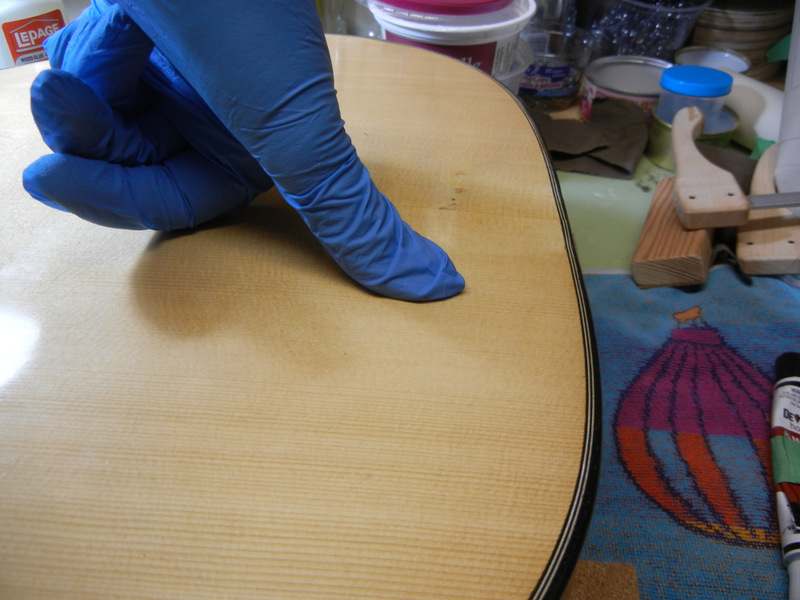
My latest rebuild came back for a tune up. The soundboard, which was very thin to start, got thin enough at the tail end that it began to bulge under string tension.

soundboard very thin here

soundboard very thin here

The first problem was figuring out what to do about it. My first reaction was to consider placing a longitudinal strut between the tail block and the rearward main brace. However, I rejected this because the soundboard had some soft spots, and I didn’t want them to stay that way, fearing future dings might just break the top. So I settled on adding a plate across the tail end that would stiffen the weak zone entirely.

the stiffener

the stiffener

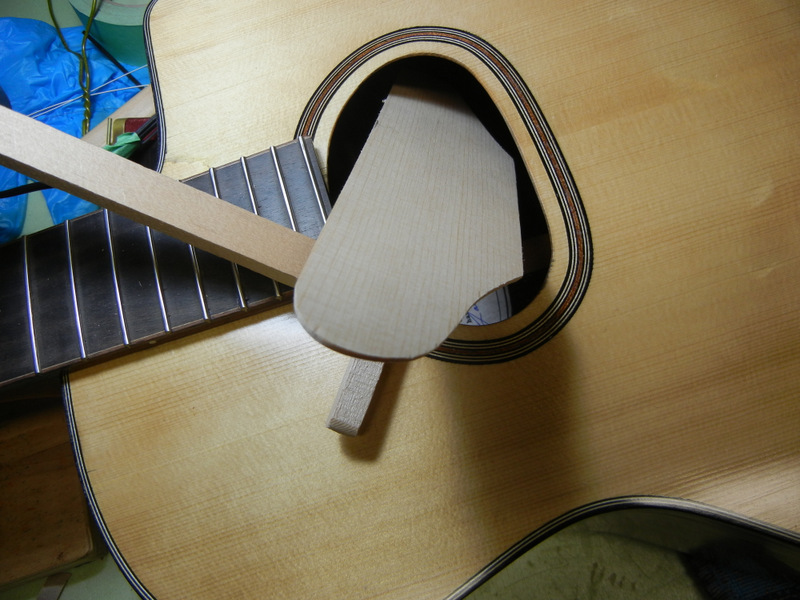
Most of the work was fitting the plate and bracing it. I did a number of dry runs until I was sure it would go in smoothly and could be maneuvered into position. To this end I fashioned some tools to place the plate and brace it.

plate with insertion tool taped in place

plate with insertion tool taped in place

insertion tool flips down to brace the plate

insertion tool flips down to brace the plate

Two similar braces were made to prop the wings. Once I got the piece inside I also clamped it lightly from outside to ensure good contact. Because the inside of the soundboard had been shellacked it wasn’t possible to use wood glue, so I had to resort to epoxy. I used quick set clear epoxy, which gave me a few minutes working time, and is also very flexible.

inserting the plate through the soundhole

inserting the plate through the soundhole

I inspected the innards in the dark in order to make the new plate. The top is so thin that a weak light will shine right through it in the dark.

the inner light

the inner light

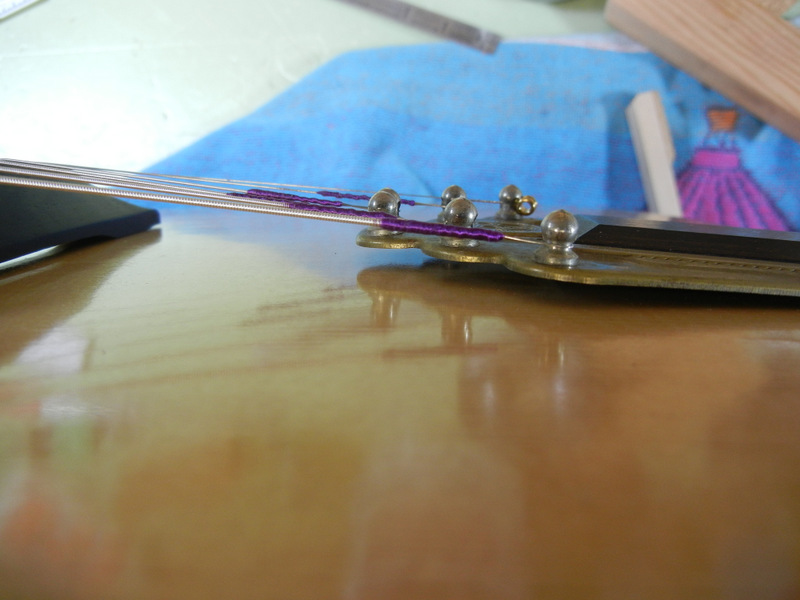
After a day I strung it up and everything held well. The tone may even be better, a little crisper! There was no unwanted uplift, just the gentle arch as it was supposed to be.

the tail end with proper top curve

the tail end with proper top curve

Leave a comment

Filed under Guitars

Can’t Help It

2-DSCN2826

Falling in love again

What am I to do?

Never wanted to

Can’t help it.

Now imagine Marlene Dietrich.. or was her name Gabriele?

i am gabriele

i am gabriele

gabriele 20

Is this love?

Or just infatuation?

multilingual

multilingual

she lived in Switzerland…

3-DSCN2827


1 Comment

Filed under Poetry, Typewriters

Plein Air Aftermath

After the Mothers Day paint in I didn’t do any art for a week, until today. This afternoon I went out to a national historic site, Fort Rodd Hill, and sketched in the warm sun for two hours. The painting board was 12″ x 16″ and I spent about 2 hours, which means I covered 96 sq. in. per hour. At the Mothers Day paint in event I worked on a 9″ x 12″ board for about 4 hours, covering 27 sq. in. per hour. So today I worked 3.55 times faster than last week, and I think the result was as good or better. They say ‘haste makes waste’ but I say sometimes it doesn’t pay to work too slowly. Procrastination also has benefits, too.

Fisgard Light from Fort Rodd Hill, Victoria

Fisgard Light from Fort Rodd Hill, Victoria – 96 sq in/hr

Mothers Day - 27 sq in/hr

Mothers Day – 27 sq in/hr

Leave a comment

Filed under Painting

50% Off Day

1939 Underwood Universal

1939 Underwood Universal

I have too many typewriters, but I still enjoy hunting for good ones in thrift shops. Last week I dropped into the local SA where they have been putting every interesting donation up for auction for the past several years. This has aroused my ire and whenever I return there I’m usually in a sour mood just from the mere thought of this outrageous money grab. After all, I always thought thrift shops were originally conceived as places for folks of limited budgets to acquire goods they need at less than retail prices. Am I wrong? However, on this occasion they have made me glad because they not only didn’t put this lovely machine up for auction, but it and all else in the store, was half price on that day. I grabbed it in glee, and while there picked up several other goodies at half price. I should say that the prices today are twice or more what they once were, so this merely made my purchases seem like the old prices, but still I was very pleased.

side view - Underwood Universal 1939

side view – Underwood Universal 1939

When I got it home and out on the table I tried it out and it worked fine. It has elite type, which is OK, but I suppose it would be too much to hope for something rare? Anyways, after the test I discovered that the rubber feet were falling apart and the table had been scratched by one of the rear feet. I fixed the table with a little more spray varnish, but how to fix the feet?

old rotted rubber feet and new raw material

old rotted rubber feet and new raw material

While browsing the dollar store I saw a package of 3 large size white rubber erasers – bingo! One dollar and a half poorer I arrive home with the goods, which were put aside until today. The basic repair is this: you carve, drill, cut the white rubber to match the shape of the rotten old piece, if you have that. Attach, adjust, etc. Type away. By the way, I discovered that you can super glue this white rubber to itself. Imagine the endless possibilities of white rubber eraser constructions!

Three new feet

Three new feet

One of the 4 old feet was in perfect shape, oddly enough, as if it was new old stock. The other three looked like they’d been barbecued.

close up of new foot

close up of new foot

The keys on this one are interesting, they look like they are glass covered but are in fact plastic engraved inserts within the old style metal rings.

lovely keys these are

lovely keys these are

4 Comments

Filed under Typewriters