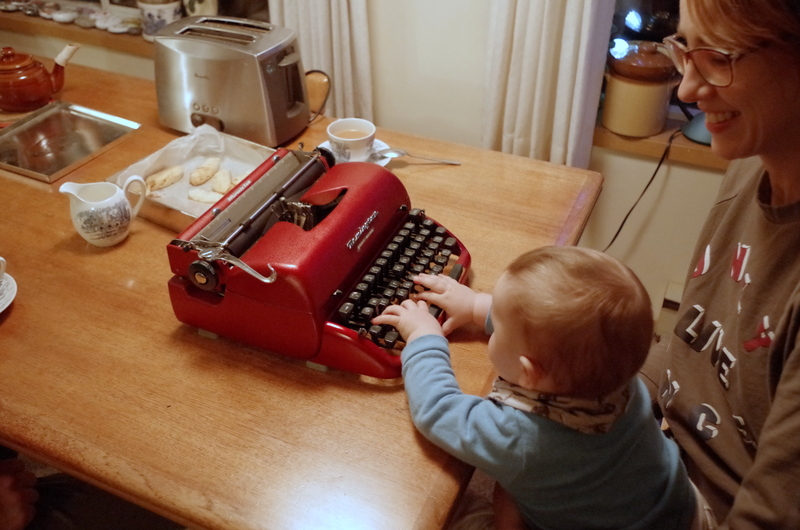
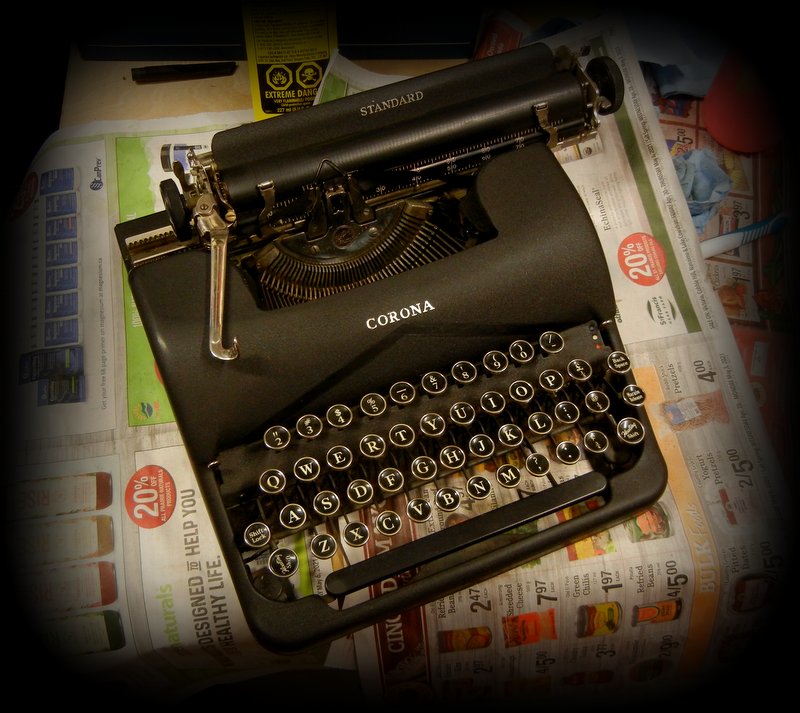
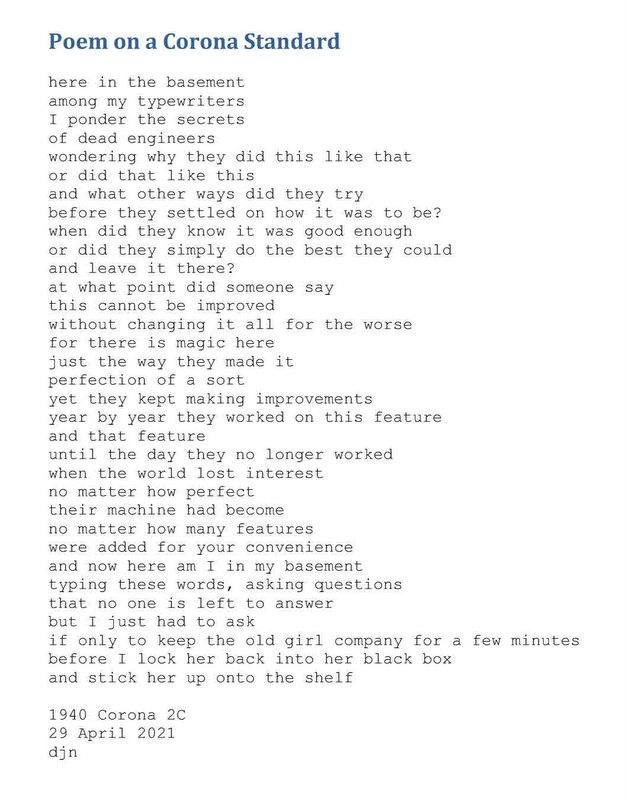
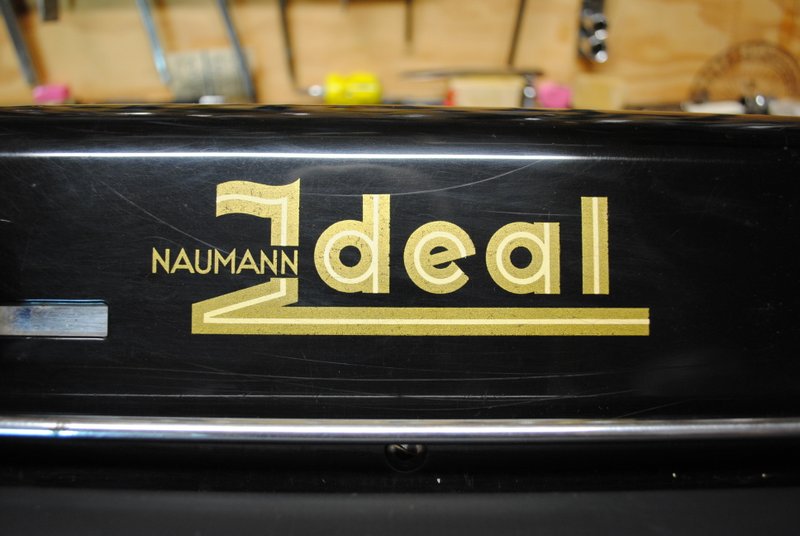
This giant size Seidel & Naumann IDEAL Model DZ33 standard typewriter was made around 1939 or 1940. I acquired it by chance while out on an errand with my son when we decided to visit a nearby antique mall. The place is closing and everything is going cheap, so they said!
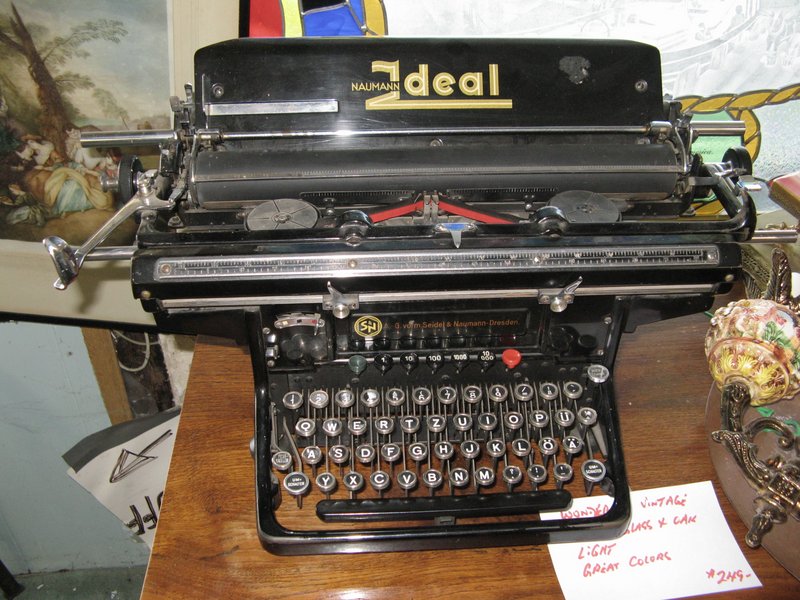
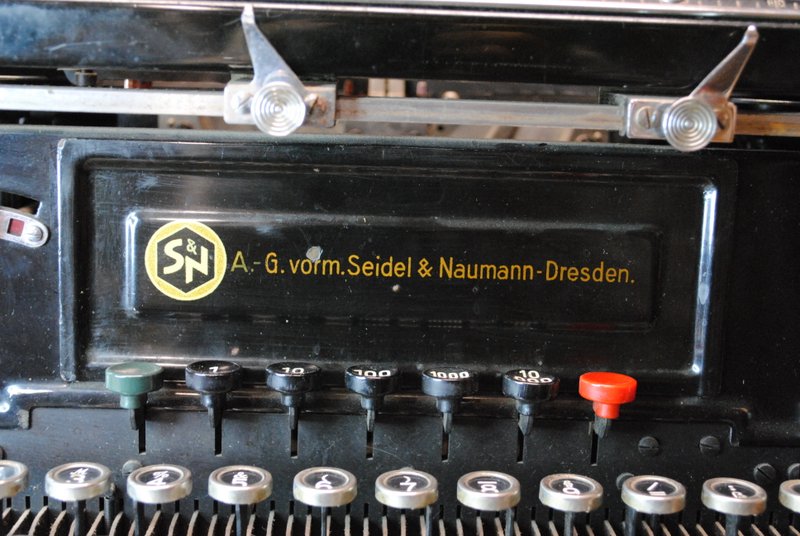
After looking around at the last of the remaining junk, I saw this hulk of a typewriter, with a sign that said Fabulous German Typewriter, $399. Fabulous indeed! Impulsively, I negotiated the price down and became the new owner. We, my son that is, carried it out to the van, and deposited it on the floor.

Despite being 80 years old, it works perfectly. I squirted the segment with a little lighter fluid, and solved the one sticking key. Considering how heavy the carriage is, the shift force isn’t bad. The carriage runs smoothly over two round rods on ball bearing wheels, like a miniature train. The bell has a lovely tone. If only it was a proportional spacing Fraktur model!
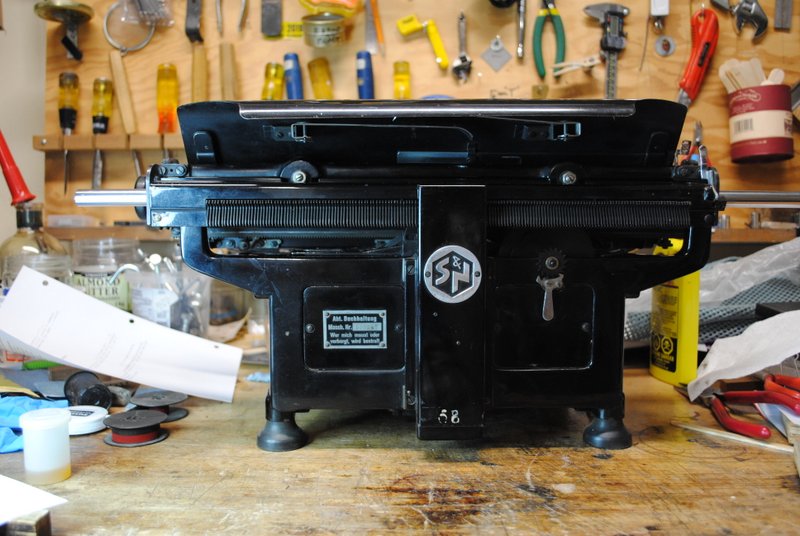
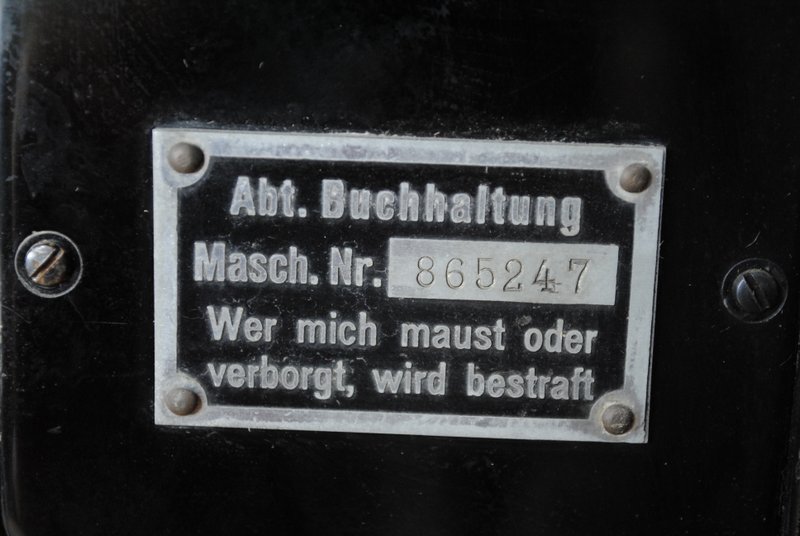
On the back there is a plate indicating the machine belonged to the accounting department of something, and with a warning: wer mich maust oder verborgt, wird bestraft. which translates to this: whoever pinches this will be punished.
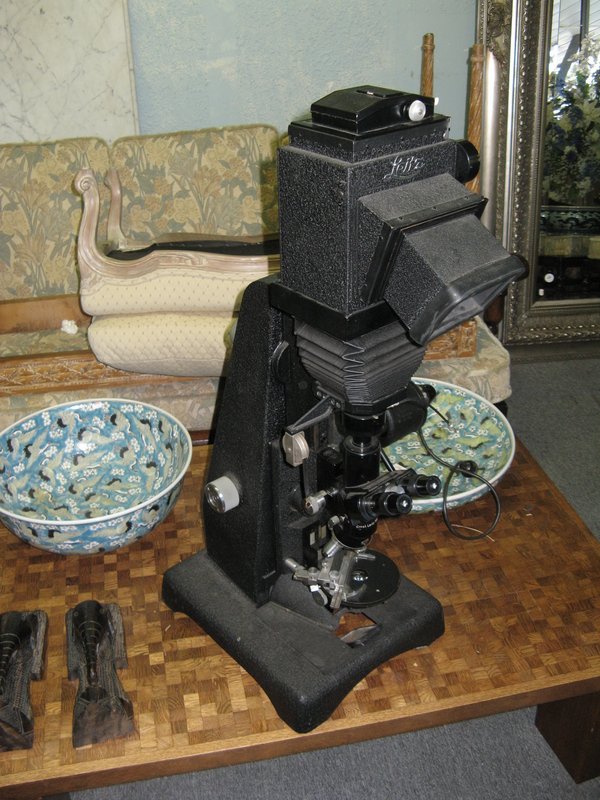
This was the only typewriter, but there was a fascinating old Leitz microscope with built in camera.
“Two hundred and fifty,” said the owner, “think what fun you could have!”
Filed under Technology, Typewriters, Uncategorized

I just added another old Eaton’s phonograph to the collection, the Eaton’s “Roamer’ (model 50-26), made by Dominion Electrohome Industries, the company that I assume later became simply Electrohome. A previous post covered the Eaton’s 703. Presumably you could roam about with this neat little unit in hand, taking it over to a friend’s apartment to listen to the latest music:

It’s hard to determine the date it was made, but my guess is the 1940’s, before the advent of the LP, since this machine is made to play 78’s. It was on the shelf with the electronics at the thrift shop, where I spotted it immediately from the old style box and handle. The power cord was cut off so there was no way to test it, but for twenty bucks I decided it was worth a gamble. I saw from peeking into the underside that there were two vacuum tubes, so I figure that if it didn’t work I could convert it into a 5 watt guitar amp. However, after I soldered on a new power cord it did indeed work. The tubes began to glow and a loud hum was heard from the speaker. I put some silicone lube on the platter spindle and the platter began to turn very fast.

Looking at the pickup I noted an offset stylus with some sort of dark point, that I assumed to be the sapphire, or some such thing. The pickup itself was made by Shure. With it humming and the platter spinning around quickly I reached for the nearest 78 album, and grabbed the first disc in the set – Xavier Cugat’s Waldorf-Astoria Orchestra playing Begin the Beguine.
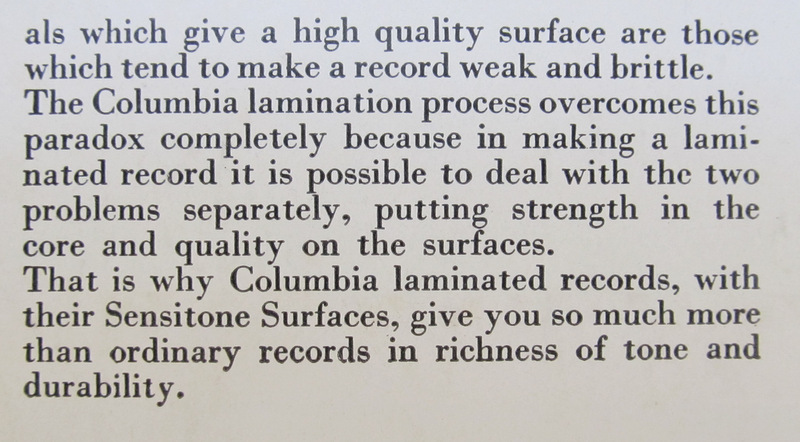
How appropriate – my parents spent their honeymoon at the Waldorf Astoria in 1947. Maybe they even danced in the ballroom while Cugat’s orchestra played this song. Compared to my much older windup 78 phonograph, this one is high fidelity. It certainly does explain how those recording engineers managed to get decent quality edits from old recordings that exist only on 78’s from that era. They manufactured these discs with the highest technology of the time, as explained here:

Now here is – Begin the Beguine.
Filed under Music, Phonographs, Technology, Thrift shop finds
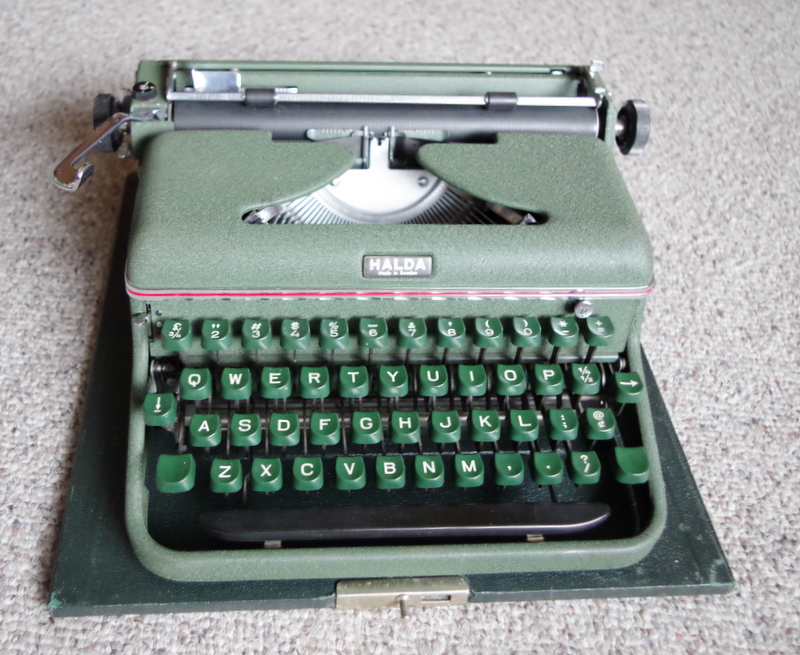
my 1958 Halda
When I first started collecting typewriters, I got spoiled by the low prices, so when I saw a Halda up for auction at $60, I declined to bid on it. That was years ago, and in the interim I developed a craving to have a Halda, for numerous reasons. For one, it looked great. Two, it reputedly was well made, and one of the best portables. Three, the body was designed by a Swedish architect, Carl Malmsten, whose work I admire. Four, Ernest Hemingway used one. Ernest must have known something about typewriters, so I took this as being a quasi recommendation.

Halda purportedly owned by Hemingway. Zipper broken no doubt.
Five, I love the green colour of the Halda. Six, I like Swedish things, and admire their design ethic and particular way of thinking. So when I recently discovered a Halda for sale across the water in Vancouver, I decided to buy it. It came by courier a few days later, and I eagerly opened the beat up wooden case. I was not disappointed. The Halda is a thing of beauty, and not merely skin deep. True to my hopes and expectations, it captured me with its subtle, clean, compact shape, and the minimalist but elegant use of chrome trim with a red stripe. Here is as close to perfection in appearance as it gets, certainly rivaling the Lettera 22, which of course was also designed by the great Italian architect and designer, Marcello Nizolli, chief designer at Olivetti.

side view with carriage lock lever
It gives me a vicarious thrill to see such quality products that are designed by architects. Perhaps it’s simply the confirmation of my opinion that the training ground is fertile for designing many things, not just buildings. There are no doubt a lot of excellent typewriters in the world, typewriters that function brilliantly as machines, but that lack the je ne sais quoi that separates the merely functional from the beautiful. That is why I treasure my Lettera 22’s, of which I can’t seem to let go, and now my Halda. They not only do what they were intended to do, but also are so beautiful to look at that I never grow tired of admiring their beauty.

My Halda, built in 1958, has the more modern larger green key tops, not the original rounder black ones. They have a good feel, so I don’t mind that. Hemingway’s Halda had the original key tops, however, as can be seen in the pictures. Other than that, I’m fairly sure the workings of the Halda remained the same throughout it’s life. There were various cases for it, and mine is not the nice leather one, but a plywood box. The lid had suffered, so I ripped off the thin cloth exterior and the top layer of veneer that had peeled away. I glued down all the loose edges, patched the bare spots with the scrap piece from the lid, and glued on a heavy piece of primed canvas. I masked it all and sprayed the lid with dark green spray paint. Lastly, I wrapped the worn out handle with heavy black leatherette, sewn in place.
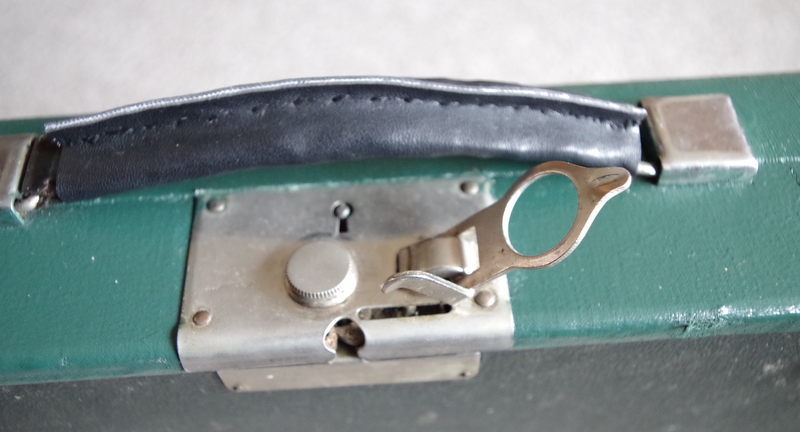
double catch safety latch

The typeface is 11 pitch, which I find pleasant. I have no information on who designed the font, but in my searching I discovered an excellent research paper on Academia, entitled Type Design For Typewriters: Olivetti, by Maria Ramos Silva. A must read for anybody interested in the fascinating history of Olivetti and typeface design.
Type_design_for_typewriters_Olivetti
Carl Malmsten was a Swedish modernist, but not of the Bauhaus sort. He was closer to Alvar Aalto and Frank Lloyd Wright, who eschewed the stark, form follows function ethic of the so called Modern School that more or less made a de facto coup d’etat of much of the world’s architectural schools in the previous century. I wish we had been more influenced by Scandinavians! Not that I’m against the Modernists, but I love Scandinavian design on the whole, especially when it comes to furniture. Malmsten once designed a simple solid pine table that you will now have to pay many thousands for, clearly a predecessor to IKEA, which may have been expensive in its day, but surely not as expensive as it is now. Such is how famous name designer furnishings have appreciated, like some art that once was sold for the price of the canvas and the paint, and is now the purview of millionaires only. Far better to get a Halda for only $75 plus shipping, no? This table is listed at more than five thousand dollars. One look at this and I know I could build a decent replica in my shop, if I really wanted to. But build a replica Halda? Never! Nobody could, or they would – wouldn’t they?
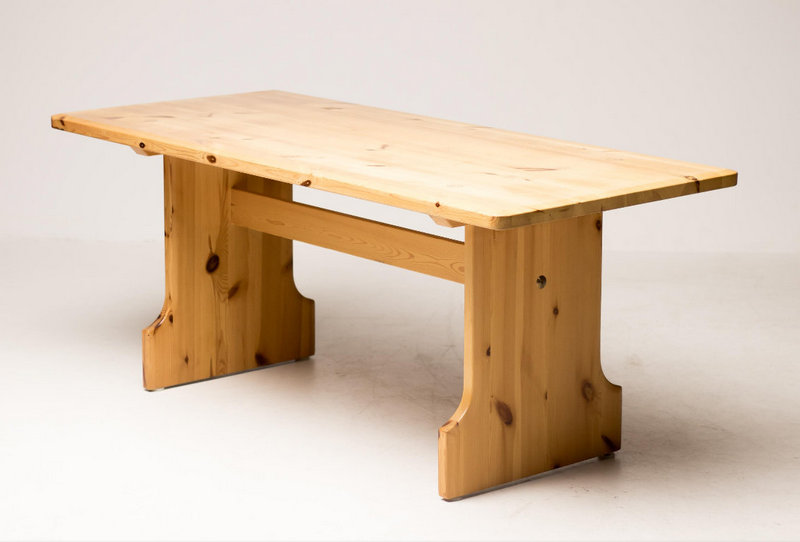
Malmsten dining table in pine = early IKEA!
Here is a picture of the Malmsten table, discovered for sale on line in Dronten, Netherlands. I once made a trip to Dronten to see their town centre, called the Dronten Agora, or Meerpal.
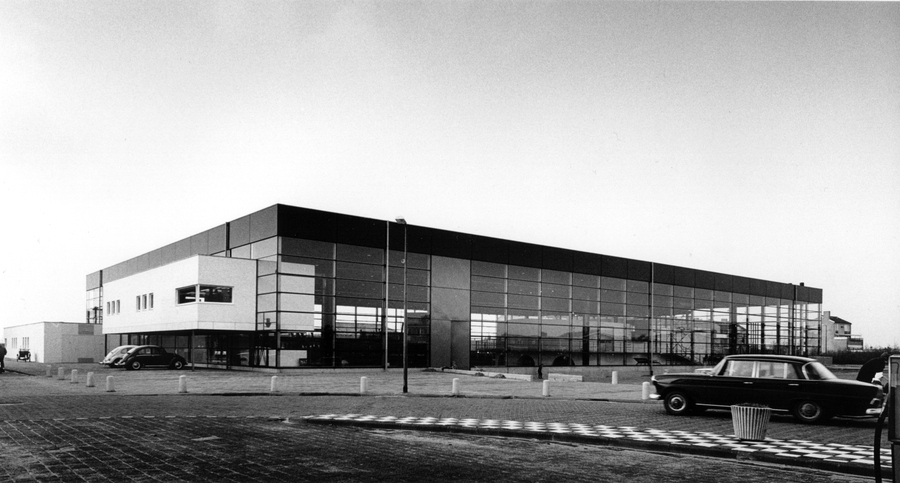
Dronten Agora – click for good article about the building
In researching my final year thesis project at architecture school (c. 1975), I came across this building in a magazine. It was a recently built multi-use facility in a fairly new part of the Netherlands that had not long before been the ocean. When I was in Holland the next year, I had to go see the place, so we drove a long way across the monotonous flat barren polders to Dronten. This is not where one would expect to find expensive dining sets. But I suppose it was cheaper at one time; much, much cheaper! Seeing it again in the above noted article, the building is still as impressive as ever, both in concept and execution. I was originally inspired by how the building was not a tour de force so much as a place where people could go and do all sorts of things. Its usefulness was much greater than any one activity, style or fleeting fad. Multifunctional – like a typewriter!
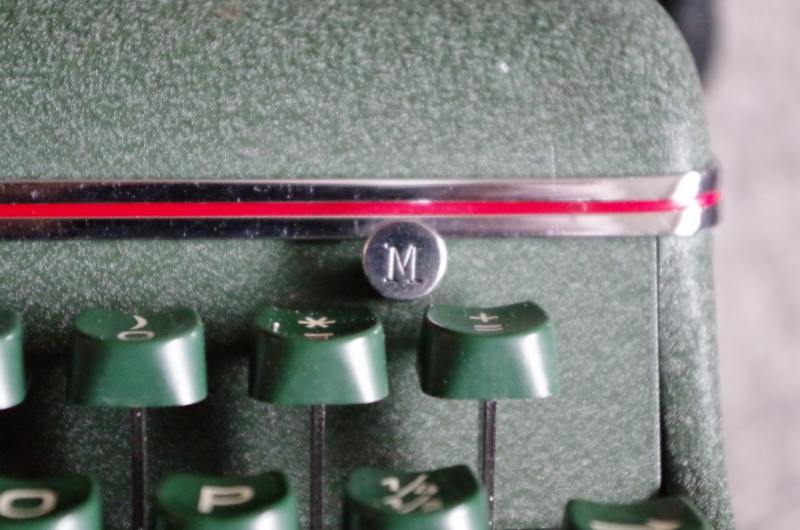
M for margin release
Filed under History, Technology, Typewriters
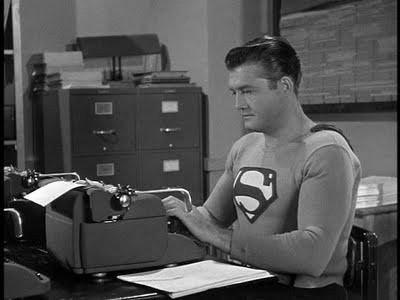
fake Superman, with genuine Super-Riter
You may have seen this before – but if not, it’s “Superman” (the fictional one, not the real one), typing on his typewriter – A Remington SUPER-RITER. I bet he had a sore back, because of his arm position. He should have had one of my typewriter shelves, but alas they weren’t around in his time. Here is my Super-Riter:
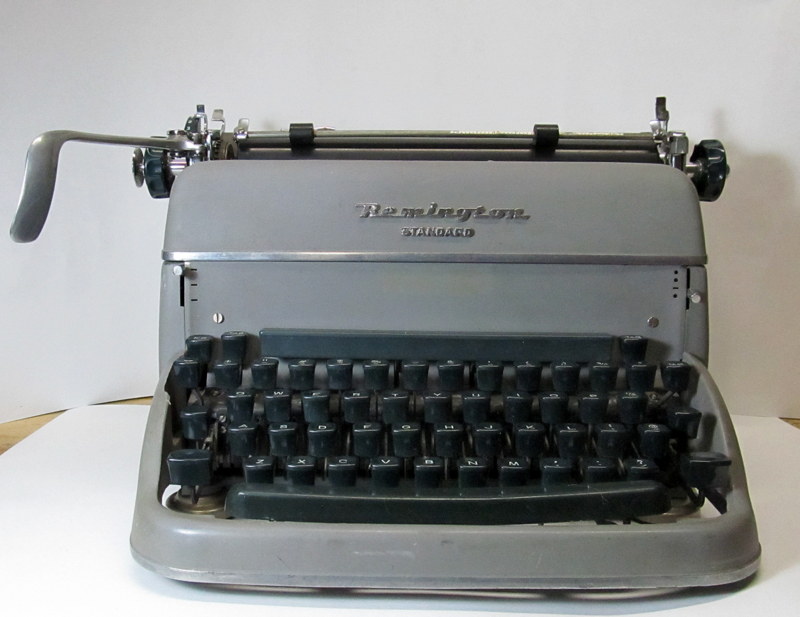
genuine 1961 Remington Super-Riter

side view, viewers left/stage right
After using this new acquisition, I have to agree that it is SUPER! I’m not keen on big heavy desk models, since they are a pain to move around, and I have nowhere to permanently place one. But I grabbed this big boy from a thrift shop last week, because it called to me. I bent down and typed a few letters on it in the store, and the smooth action was remarkable. I had previously seen one at a church bazaar, and recalled that it was very quiet, smooth and precise. So this time I jumped in and brought it home. It needed a minimal amount of cleaning, but was otherwise in fine shape. There was one niggling problem however: the ribbon selector was erratic. After several sessions on the net, I discovered a very interesting feature of this machine – it folds open! Yes, they called this “fold-a-matic”. Munk, praise be to him, had the instructions for opening the back of the machine up. Polt, too, ever helpful in time of need, provided the service manual. With this combination of precise instructions I proceeded to open the machine. This is analogous to open heart surgery for typewriters, but typewriters feel no pain and cannot be killed, as far as we know, except by Superman.

open Super-Riter
There are numerous blogs with information on the Super-Riter, but this is the first one to feature an actual open heart operation. Be sure you’re seated and have someone with first aid experience nearby while watching this, unless you’re a doctor. It is shocking! The back opens up with the removal of a few screws. First one removes the platen, however, achieved by flipping two levers and lifting it off. Dead simple. Oops, I didn’t mean to say dead, excuse me.

flip the L shaped lever and lift out the platen (2 of)
Once you remove the screws, the back almost opens by itself. I tilted the back open, exposing the ribbon selector-vibrator parts and performed a minimally invasive procedure known as a selector-ectomy, involving a small screwdriver and some simple but precise adjustments. Then it was time to close, which was as simple as opening, except in reverse order. The biggest risk is losing a screw, which I often do, but this time I got lucky and there were no missing or leftover pieces after reassembly was complete.

hole for screw (centre) to remove for opening. Note the solid steel rails!

view of the main spring and tab mechanism (to the right of the motor)

ribbon selector-vibrator linkage
Super-Riter is back in one piece now and recovering well. It’s a marvelous bit of engineering, and it types with near perfection. The sole downside is the weight, 32 lbs. It’s so heavy that when you get typing, the machine will begin to sway even a solid table due to resonance and its mass. Placed on a heavy table, I imagine it would be heavenly. On a TV tray, extremely risky! Not for card tables this sucker.

with platen out, it’s simple to remove all the rollers too.
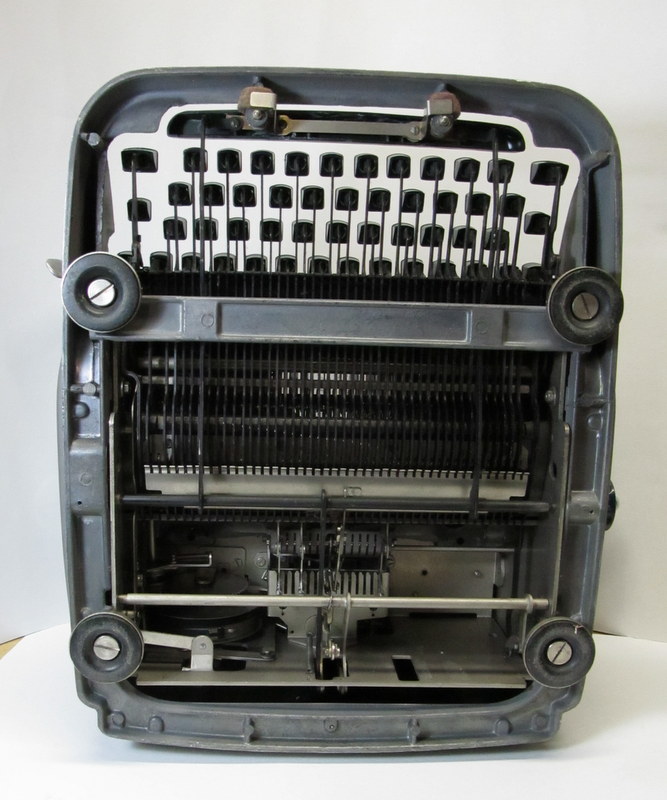
last but very important – the bottom

Indeed, what more could you want?
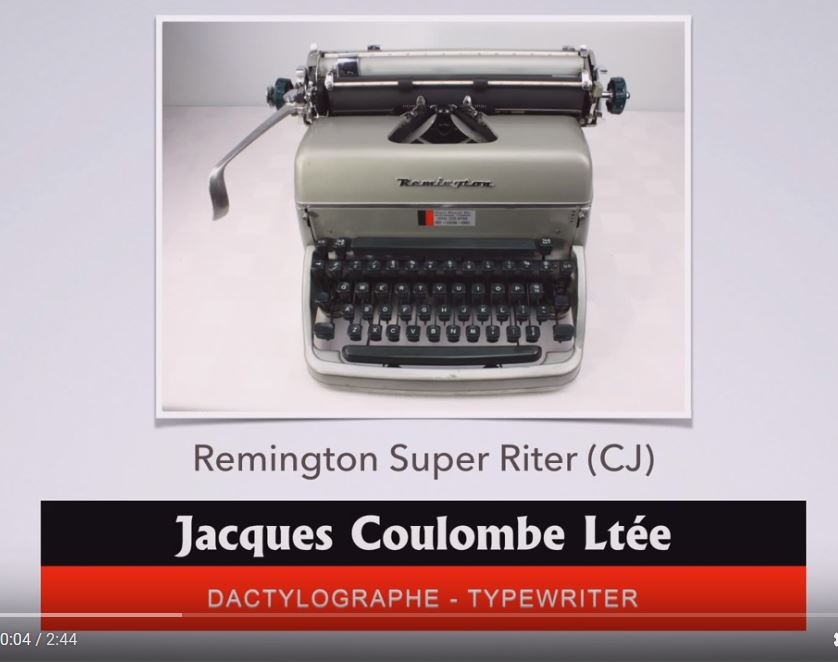
in case you need help to change the ribbon – there are still typewriter repairmen – in Montreal!

one last look
In summary – the Remington Super-Riter can best be described as a luxury typewriter, engineered and built to the very best standards, during the glory years of Western Civilization, c. 80-30 BC (Before China). During the early years of that era, men dictated and women typed on these things, that is until Superman came along and lead the way for men to use them without embarrassment. Now, men all over the world covet them and wouldn’t dream of allowing women near their precious machines. Women have moved on, however, so the joke is on men!
P.S. to find plans for my typewriter shelf click this link:
Filed under History, Repairs, Technology, Thrift shop finds, Typewriter accessories, Typewriters, Uncategorized

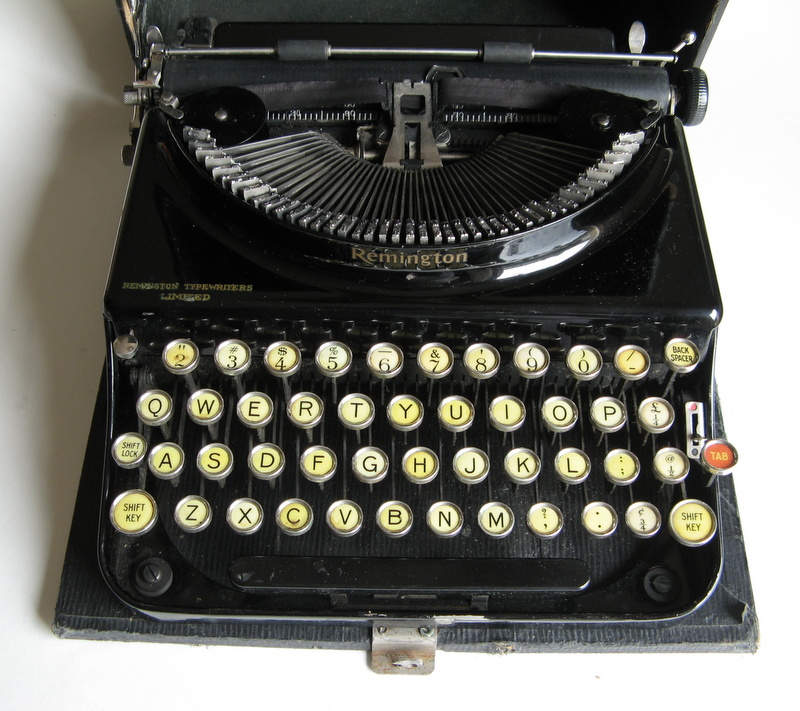
1929 Remington Portable #3

platen advance lever

missing stud replaced with a nail
I recently acquired a 1929 Remington portable 3. I now have a 1, 2 & 3 of these, and it’s interesting to see the slight differences as the design was changed. The model 3 I found was missing a small stud from the carriage advance lever. I knocked out the embedded bit and hammered in a small nail in its place. That fixed the problem, and the typewriter is now working well – amazing for a 90 year old machine! The model 3 has a slightly wider platen than the #2, which was slightly wider than #1. The #1 had a simple advance mechanism that was much improved with the addition of the lever on model 2, which carried over to model 3. Model 2 had the original lifting typebars, which are gone in model 3, in favour of a low panel on the top front that conceal the slightly raised typebars. I assume this saved money in manufacturing, by eliminating the lifting mechanism. Something was lost however, in the way of a very interesting and unique feature. Model 3 also introduced a margin release key and fixed tabs, marked with a red keytop, as Olivetti became well known for later on with the Lettera 22. But Remington was first!
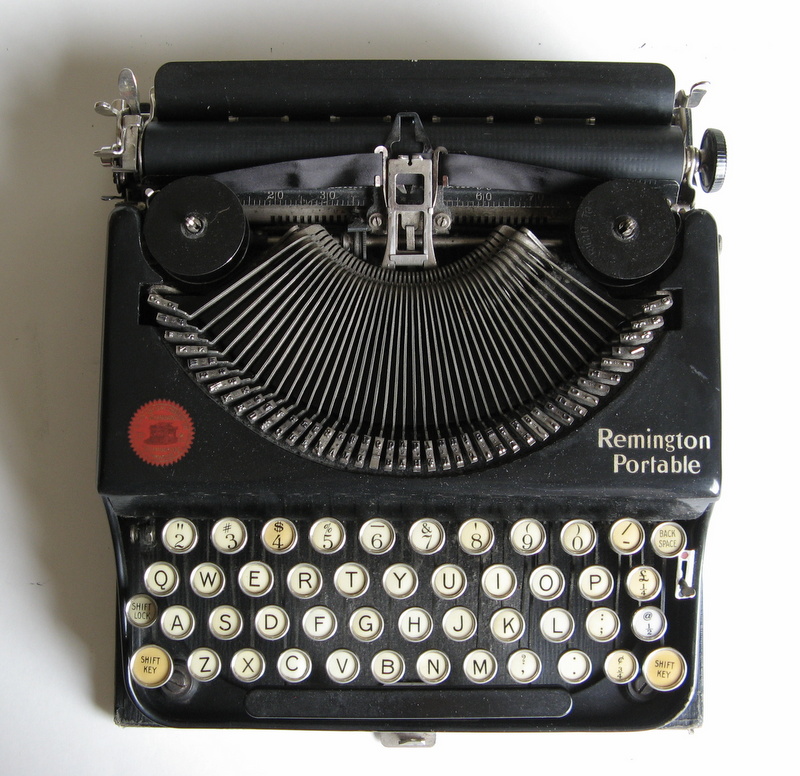
1922 Remington Portable #1

1926 Remington Portable #2 (note German keyboard)

model 1 side view with lifting typebars
Filed under History, Repairs, Technology, Thrift shop finds, Typecasting, Typewriters
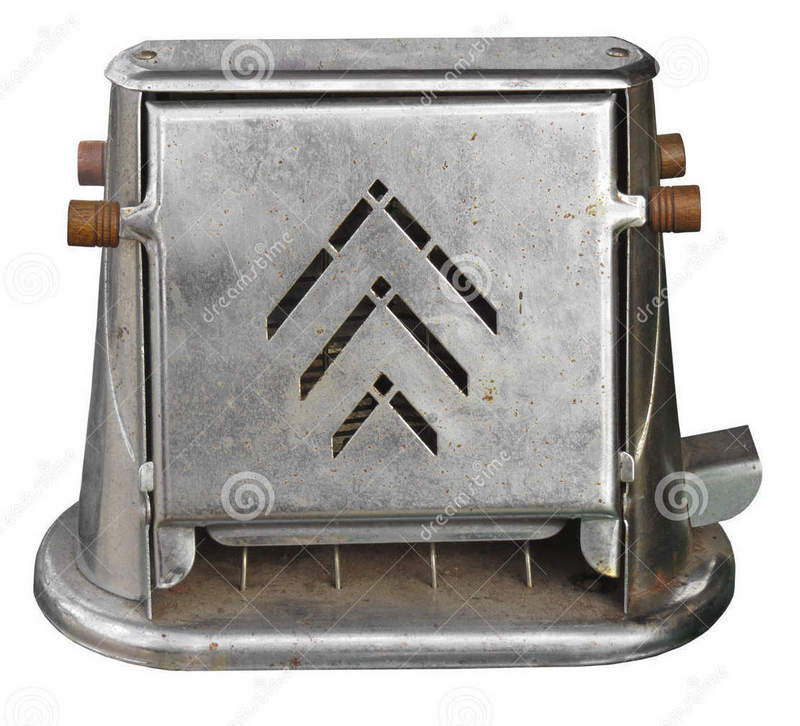
Grandpa’s toaster

Sunbeam – classic 2 slice automatic
Filed under Technology, Thrift shop finds, Toasters
At bedtime Olympia went to talk to Oliver about what Ned had told her.
You know what Dad said, she whispered?
What, said Oliver?
He said that there is no magic, because it’s all just advanced technology. Do you think that’s possible?
Anything’s possible, said Oliver, but how would you know the difference?
I wish I could ask the Magic Typer, said Olympia.
What would you ask it, said Oliver?
If it was magic or technology, said Olympia.
How would you know if it gave you the right answer, said Oliver?
from The Magic Typer (author me).
I am always wondering where the line is between art (magic) and science. What makes a photograph art, as opposed to just chemistry? Sometimes I am pretty sure photography is not art at all, and is merely a technical achievement that imitates art. Then again there are times when some photograph I see moves me in an artistic way. Is this magic or just advanced technology pushing my buttons? There is no definitive answer, of course. Most photography is not art, that is certain. And most art is crap too, for that matter. So how do we judge it all? I gave up long ago, back in architecture school when I came to the realization that even the so called experts can never agree on what is good or bad. So I just allow my senses to inform me about what I like and don’t like.
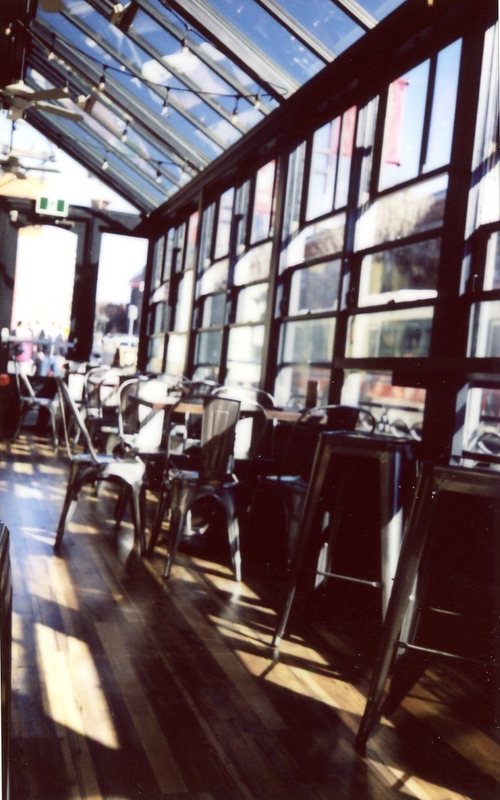
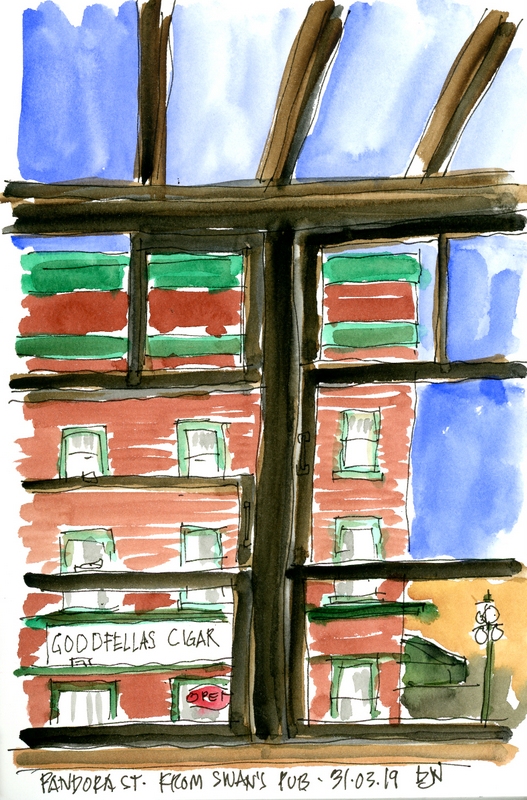
What got me going on this subject was taking photos today with my Fuji Instax camera. I think it was Cartier Bresson who said anyone could make a masterpiece with a Rolleiflex camera. He may have been right. Photos I get from the instant camera often have more art in them than the best I can take with my super pixel DSLR. Maybe because it’s all down to the subject and composition, as opposed to colour rendition, focus and sharpness of details. In any case, I enjoy the results, even if they are less than spectacular technically. That is what I enjoy about watercolour painting too, because it is imprecise and fuzzy – at least in my hands!
Here are three takes on a big old oak tree in the meadow nearby.


A tree at sunset, and two pieces from a local pub done today:

Filed under Books, Photography, Sketching, Technology, Uncategorized
TIME FOR ANOTHER QUIZ!
What do these have in common?


space for guessing here before I give the answer.
zzzz
zzzzz
zzzzz
zzzzzz
ANSWER:
grommets – 4 each, to be exact!

grommet from Nintendo cube CD player
This is where they go after you have removed them from the Nintendo Cube:


This fortuitous discovery came in handy with one of my Italian made L22’s that had lost its grommets due to disintegration. I had these 4 nice soft rubber grommets left over from a project I was doing with my son – combining a Nintendo Cube with a modern Nintendo. I save things like this whenever I find them, because sooner or later they tend to come in handy. I thus saved these 4 dumbbell shaped hollow rubber grommets from the CD player suspension of the Nintendo. By squeezing, I was easily able to shove them into the 4 empty holes in the metal case of the L22, where they seated perfectly. They were made for the job, for all intents and purposes!
Filed under Repairs, Technology